

Explain the route from the street to the apartment
Specify the floor and describe the access in simple terms. If there’s an elevator, are there any steps leading from it to the front door? Does the elevator stop on the same level as the apartment? Such specific details are more helpful than a general statement about easy access. This allows guests to compare their own needs with the available access options.
If there is a rear building or multiple entrances, clear directions are helpful. In the description, you can explain whether the apartment is accessed through the front building, via a courtyard, or through a side entrance. Private access codes do not belong in the publicly viewable text. Describe the route and type of access there, not confidential details about the handover.
Luggage needs a place to go, too. A nearby parking spot is different from a parking space right outside the door. If you show an associated parking space, explain its location and any known spatial restrictions. If there is no private parking spot, the listing should not inadvertently suggest a reserved spot by including a street photo.
Provide a floor plan rather than just the number of rooms
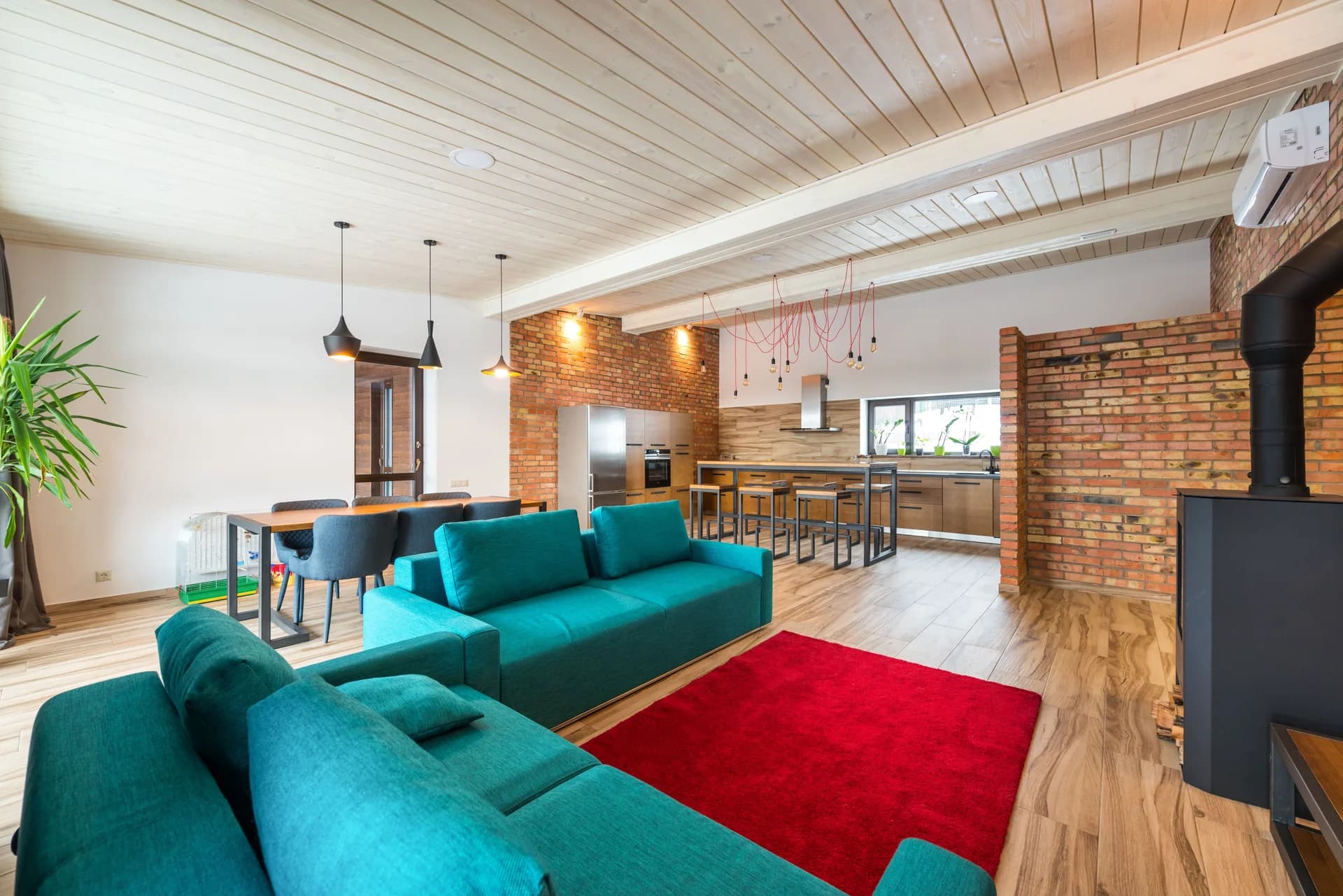
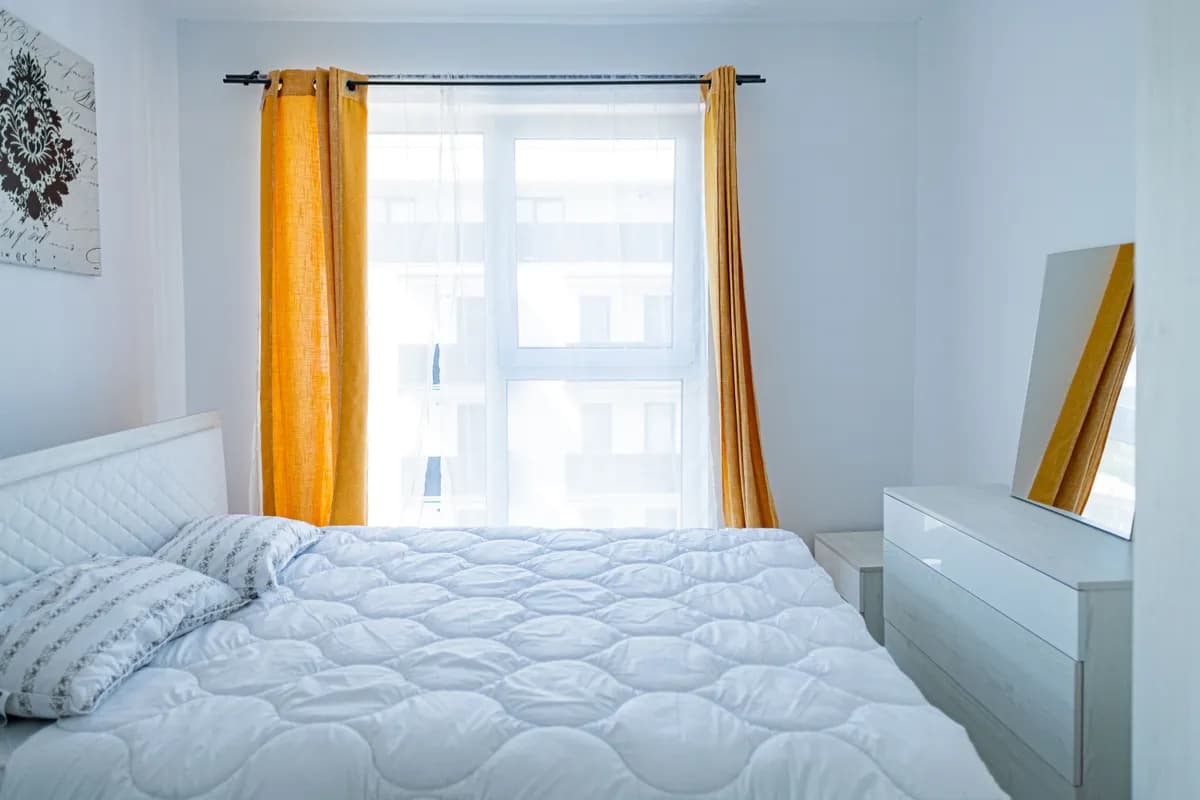
A studio, an apartment with a separate bedroom, and an apartment with a walk-through room can accommodate the same number of guests yet offer very different types of stays. Start with the floor plan. Describe which areas are separated from one another and whether there are doors. In the minds of many guests, a curtain or an open room divider is no substitute for a closed-off room.
If the living room also serves as a bedroom, explain this dual use. Where is the sofa bed located when unfolded? Is access to the kitchen unobstructed? Do items need to be moved out of the way during the day? A photo showing the sofa bed in its sleeping position can answer these questions more quickly than a long description. Also include details about the bedding actually provided and the available storage space.
Don’t describe seating capacity based solely on the number of beds. When there are multiple travelers, it’s important to know whether everyone can eat at the table at the same time. A small breakfast bar might be fine for two people, while a larger group will have different needs. Precise details help guests make this decision without requiring you to artificially make your apartment seem larger or smaller than it is.
The building is included in the description
A vacation apartment is often located in a building shared with other people. Explain which areas are shared: stairwell, laundry room, garden, or bike storage. If you live right next door, this can be helpful information for guests during their stay. However, this should not imply that you are constantly available in person, which you may not wish to offer.
Describe the layout of the rooms if it is relevant to the stay. A bedroom facing the courtyard and a living room facing a busy street convey a different impression than the general statement “quiet apartment.” Mention well-known, regular noises in a factual manner. These may include traffic, a business on the ground floor, or a shared courtyard.
Rules for living together can be expressed in a friendly and specific way. Instead of a long list of prohibitions, explain what uses are permitted and what should be taken into consideration. For example, if there is a balcony, describe its furnishings and how close it is to other apartments. Photos and text should convey the same sense of space and privacy.
Kitchen, bathroom, and workspace—no vague, catch-all terms
“Well-equipped” can mean many things. Instead, list the items that make up everyday life in your apartment. Does the kitchen have an oven or just a stovetop? Is there a refrigerator with a freezer compartment? Are a large pot and enough dishes provided? You don’t need a complete inventory list in the body text, but rather a clear overview of the key amenities.
For the bathroom, include clear photos and a brief description of the actual layout. Is the shower inside the bathtub, is the toilet separate, or is the bathroom shared with other guests? If there’s a washing machine, specify whether it’s located directly in the apartment or accessible via a common area.
If you mention a workspace, show the available table, chair, and its location. A workspace at the dining table is a different offering than a separate room. When it comes to the internet connection, a factual description is also more sensible than promising that every conceivable professional use will work without any problems. Describe only features that you actually know about your apartment.
Use photos to clearly show lighting, size, and how the space is used
Start with a photo that captures the character of the apartment, and then describe the rooms in a logical order. Show the living area as a whole before highlighting individual details. A beautiful object can convey atmosphere, but it doesn’t explain the sleeping arrangements or the space between the table and the kitchenette.
For small spaces, a second angle is especially helpful. For example, take a photo from the entrance and then from the opposite corner. This makes doors, windows, and walkways clear. Use photos that show the current condition. If a photo still shows the previous furnishings, it should not be displayed alongside text describing the new furnishings.
Pay attention to the relationship between the interior and the surroundings. A view from the balcony is part of the listing, whereas a photo taken from a distant vantage point describes the surrounding area. Make these distinctions clear in the text. This prevents guests from assuming, based on a series of beautiful photos, that they’ll have a view from your apartment that they actually won’t have.
Compile your details into a clear listing
First, decide when you’d like to offer the apartment and how much preparation time you’ll need between stays. Next, review the price, amenities, and description together. If you use a certain area yourself from time to time or provide certain items only by arrangement, the text should clearly indicate this. The number of guests is based on the actual number of sleeping arrangements offered.
You can create your listing on BookNoFees for free. During the process, select the type of accommodation and add photos, a description, details, a calendar, and the price before submitting it for review. Use the tags that best describe your apartment, and focus on its actual rooms and amenities.
- Describe the floor and access route together.
- Distinguish between bedrooms and open sleeping areas.
- Identify shared areas of the building.
- Keep the property details, photos, and available dates up to date.
Frequently Asked Questions
Can a studio apartment be described as a vacation apartment?
Yes, explicitly describe its open floor plan. Guests should be able to tell whether the bed, kitchen, and living area are in the same room and which areas are enclosed. The term “studio” helps with orientation but does not replace specific details about the available sleeping arrangements and the bathroom.
How should I handle a small balcony?
Describe it in full and specify how it can be used. A narrow patio without seating should not be described as a terrace with a dining area. If there are two chairs but no table, that specific information is useful. The actual size should not be obscured by general wording.
Should I mention any noise from the surrounding area?
Common, recurring noises can be important to consider when planning a stay. Describe their source and which rooms are affected, to the best of your knowledge. Avoid making absolute promises about quiet. People perceive noise differently; specific information is therefore more helpful than a general assessment.
Do I need separate pages for an apartment and a vacation apartment?
No. This refers to an apartment that you offer as lodging for stays. Both terms refer to the same type of accommodation. Describe the actual unit clearly and use the term that best conveys its character and purpose to guests.