

Make it clear what will be available upon arrival
First, describe the specific lodging option. Is the tent already set up and fully furnished? Do guests sleep in a bed, on mattresses, or on provided sleeping pads? Are sheets and towels included? A photo showing blankets and pillows can raise expectations that you can clarify with a short sentence. The name of the accommodation alone says little about the actual level of comfort.
Also explain what area is included in the listing. A single tent on private property is different from a site with multiple tents and shared facilities. Specify the intended number of guests and show the sleeping arrangements as they would be used. Luggage and shoes should be factored into this presentation; they don’t simply disappear from the room, even during a short stay.
The setting shapes the entire stay
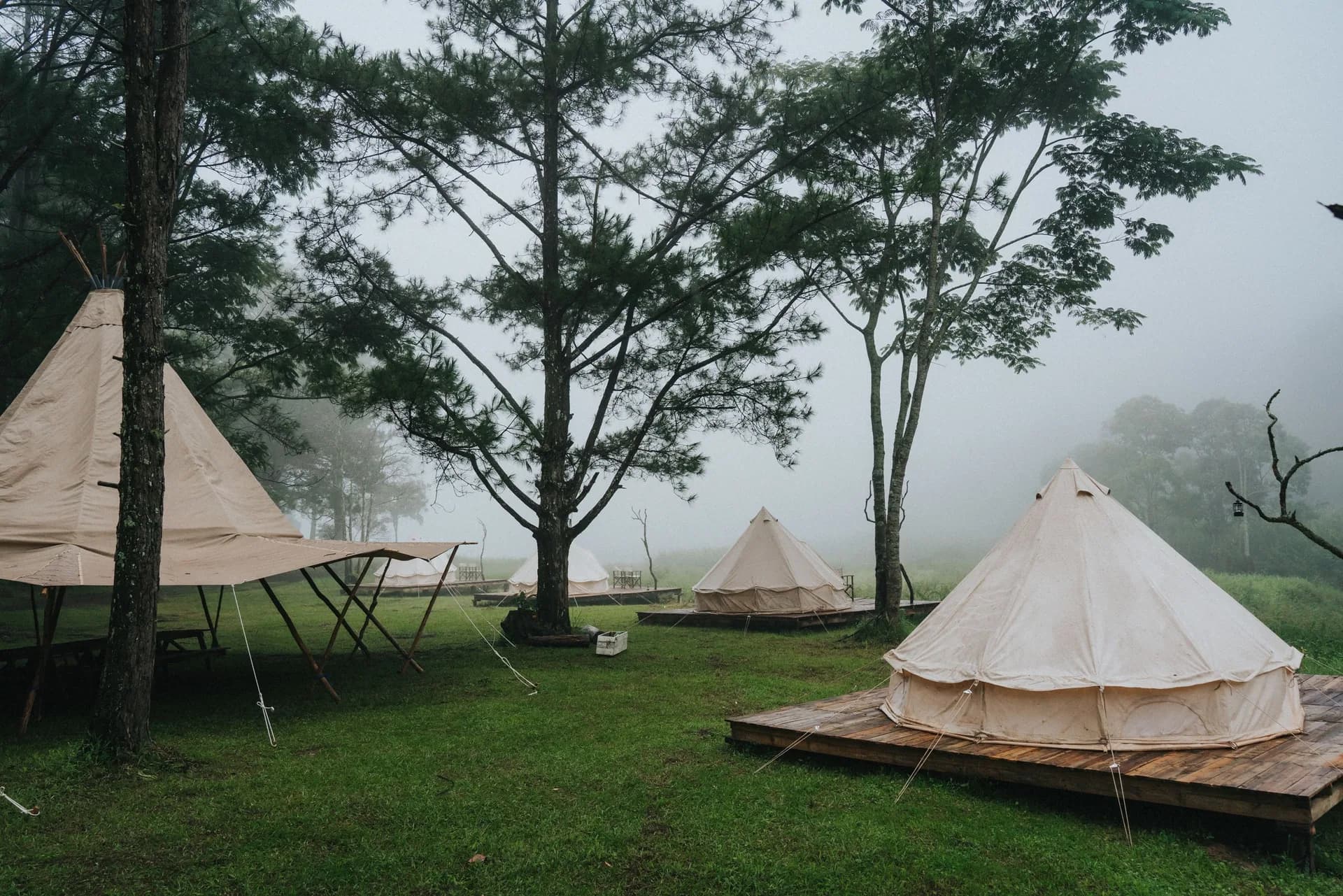
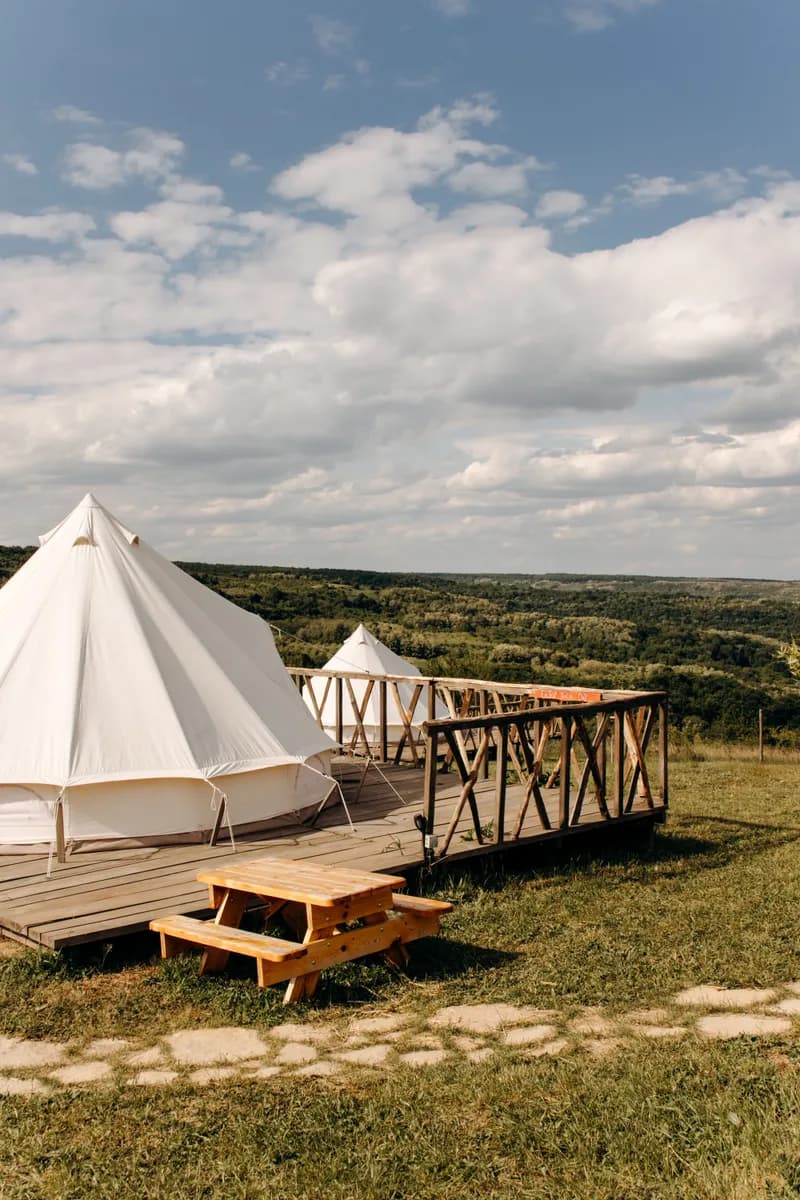
Is your tent set up on a platform, in a meadow, or on another prepared surface? Show the access route and describe whether there is a threshold or steps. Especially after rain, the path may feel different than it does in a sunny photo. Guests want to know if they can leave their dry shoes at the entrance and where they can hang up wet clothes.
Take honest photos of the area around the tent. Other accommodations, a courtyard path, or a shared seating area may be part of the listing. Mention any existing privacy screens and avoid making blanket promises of seclusion. Fabric walls provide a different level of separation than solid walls. Voices, wind, and animals may be part of the surroundings and should be clearly addressed in your description.
Weather is a practical planning consideration
Offer only the time periods for which you have prepared your accommodation and its location. Describe shade, ventilation options, and actual heat sources available. A tent can feel very different throughout the day. Terms like “glamping” or “comfort tent” do not provide reliable information about temperatures. It’s more helpful to describe the amenities and the clothing that has proven suitable for your location.
Also, consider how you’ll handle unsuitable weather and clearly communicate your policy to guests. This includes having a contact person who can be reached. Do not make blanket promises about wind resistance or safety that aren’t evident from the tent’s name or appearance. Information regarding the location and use should correspond to your actual equipment and local conditions.
Show the way to the restroom, shower, and water
For tent accommodations, the location of the restroom facilities is particularly important. Specify whether guests have their own bathroom or share facilities with others. Describe the distance clearly and show the route. Anyone who needs to get up at night will want to know if there is lighting and whether the path leads over gravel, grass, steps, or a paved surface.
Explain where drinking water is available and whether the tent has its own washing area. If you offer a special restroom solution, include clear instructions on how to use it. Clear photos of the actual facilities speak louder than general descriptions of comfort. Also check for storage spaces, hooks, and places to dry towels: It’s the little things that make a simple stay pleasant and well-organized.
- Show set-up sleeping areas and provided linens.
- Specify restroom facilities and actual walking distances.
- Explain drinking water, lighting, and electricity supply.
- Please specify any required personal equipment before arrival.
What guests bring with them shouldn’t be a guessing game
Describe whether there is a refrigerator, dishes, or a usable cooking area, and where they are located. A grill in a photo is not a clear indication of its availability. Explain the intended use and any restrictions for your location. Do not promise cooking facilities inside the tent if only an outdoor area is equipped for that purpose. Any nearby amenities outside the property should also be clearly identified as such.
When it comes to electricity and lighting, specific details are helpful: Is there a light by the bed, outlets in the tent, or just a shared charging station? Where can guests store food and personal items? Write a brief packing guide that fits your listing. It should clearly explain any missing amenities without overwhelming guests with a long list of precautionary recommendations.
Show the tent even beyond its most picturesque moments
A photo taken in warm evening light can effectively convey the atmosphere. Supplement it with daytime photos that clearly show the floor, spacing, and furnishings. Photograph the interior with the designated sleeping areas and show the entrance opening in context. This helps guests understand where to put their shoes and how to move around the tent with their luggage.
Decorations should not promise more than the experience offered. A prepared picnic, a fire pit, or an outdoor bathtub should only be included in the description if their use is actually part of your offering. Clearly label shared areas. The term “close to nature” describes a location but is not proof of sustainability, tranquility, or special accessibility.
Walk through a complete stay yourself
Spend a night in the set-up tent yourself before renting it out. Check the lighting upon arrival, the nighttime trip to the restroom, and the first steps you take in the morning. Have someone else read your instructions as well. Where they have questions, you can improve the description. A realistic assessment of rain, darkness, and options for storing wet items outside the sleeping area is particularly valuable.
Before listing your property, determine what types of overnight stays are permitted at your location based on the property and the specific setup. A portable tent does not automatically mean that any type of use is permitted everywhere. Once these questions have been clarified, you can list your tent accommodation for free in the host section of BookNoFees and showcase its unique character with current photos and clear details.
Frequently Asked Questions
Does this also apply to renting out individual pieces of camping equipment?
No. This page refers to a set-up tent where guests stay overnight at the location you specify. A tent that guests must pick up, take with them, or set up themselves at another location is a different type of listing. Therefore, make it clear right in the introduction what kind of accommodation guests will find upon arrival.
Can I describe my accommodation as glamping?
If you use this term, be sure to explain the specific amenities. Guests may interpret this in very different ways. Bed, bathroom facilities, electricity, cooking facilities, and shelter from the weather are clear examples. The term should supplement such details and not imply amenities that are not actually available on-site.
How do I describe a shared restroom facility?
Specify who the facilities will be shared with and how they can be accessed. Distance, surface, lighting, and any steps help guests assess the property. Also show the interior. A well-maintained shared bathroom can be a great fit for the stay if its use is clear from the start.
Should I mention possible weather-related noises?
Yes, provided they define the stay. Rain on the tent roof, wind, or ambient noises may be new to guests. Describe the experience objectively and relate it to your location. Do not promise silence or protection from the weather solely based on the tent’s shape or a feature description.
How can I list my tent accommodation on BookNoFees?
You can list it for free through the general host area. Prepare photos of the tent set up, its sleeping areas, and the shared facilities. Your listing should describe the entire stay at the location and clearly state which personal items guests must bring themselves.