

Explain the floor plan as a layout, not as a promise of square footage
Start with a brief description of the living areas. Are the kitchen, seating area, and bed in an open space, or is there an additional sleeping level? Which areas can be used at the same time? Simply stating the square footage doesn’t answer these questions. Guests can plan better if you describe how two or more people can move around the house in the morning and which paths remain clear.
Show furniture in its actual, in-use state. A folded-out table, an open sofa bed, or a ladder can alter the available space. Photograph at least one such everyday scenario. This is especially helpful for longer trips with more luggage. A clever piece of furniture is only an advantage for guests if they understand how to use it and how much space it takes up.
Sleeping arrangements require more explanation than just a photo of a bed
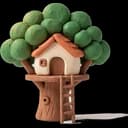
If your Tiny House has a raised sleeping area, describe how to access it and the usable headroom there. Is it a fixed staircase, a steep flight of stairs, or a ladder? Where can you stand upright, and where can you only sit? A photo taken from above can make the space look more spacious and obscure these differences. Therefore, show both the access area and the sleeping area from a clear, understandable perspective.
Specify the bed dimensions and explain whether both sides are accessible. Anyone who needs to use the restroom at night should be able to estimate the distance beforehand. A general statement such as “suitable for everyone” does not replace this information. If you offer additional sleeping spaces in the living area, also describe what will no longer be usable at night and how the space will be rearranged in the morning.
A small kitchen should promise exactly what it can deliver
Describe cooking facilities based on available appliances, counter space, and dishes. Two hot plates, a small refrigerator, and a kettle are different from a kitchen with an oven. Both can be suitable for a stay. State the actual amenities available, rather than generically describing a compact kitchenette as “fully equipped.” Also indicate where guests will eat if the outdoor area cannot be used in case of rain.
Storage is a unique comfort consideration in a tiny house. Where do shoes go, where do jackets hang, and how much storage space is left for personal items? Don’t fill the cabinets completely with decorations for photos. If guests bring food, they’ll need accessible shelves. Good organization not only looks pleasant in photos but also helps guests use the small space comfortably during their stay.
Describe the water, bathroom, and temperature without using buzzwords
Guests should be able to tell whether the bathroom is inside the house and what amenities are available. For special toilet or water systems, a brief, clear explanation is helpful. Use terms like “self-sufficient” only if you then describe what that means for the stay. This should not create expectations of unlimited supplies that your actual system cannot provide.
Heating, ventilation, and sun protection also deserve special attention. Large windows can be beautiful while also influencing the daily rhythm inside the space. Describe the available amenities for the seasons you’re offering. A small wooden house isn’t automatically sustainable or equally comfortable in every climate. Stick to verifiable features rather than inferring general characteristics based on design and size.
- Clearly show access and the height of the sleeping area.
- Specify cooking appliances and usable counter space.
- Provide storage space for bags, clothing, and groceries.
- Explain special utility systems in everyday language.
The tiny house comes with an honestly portrayed setting
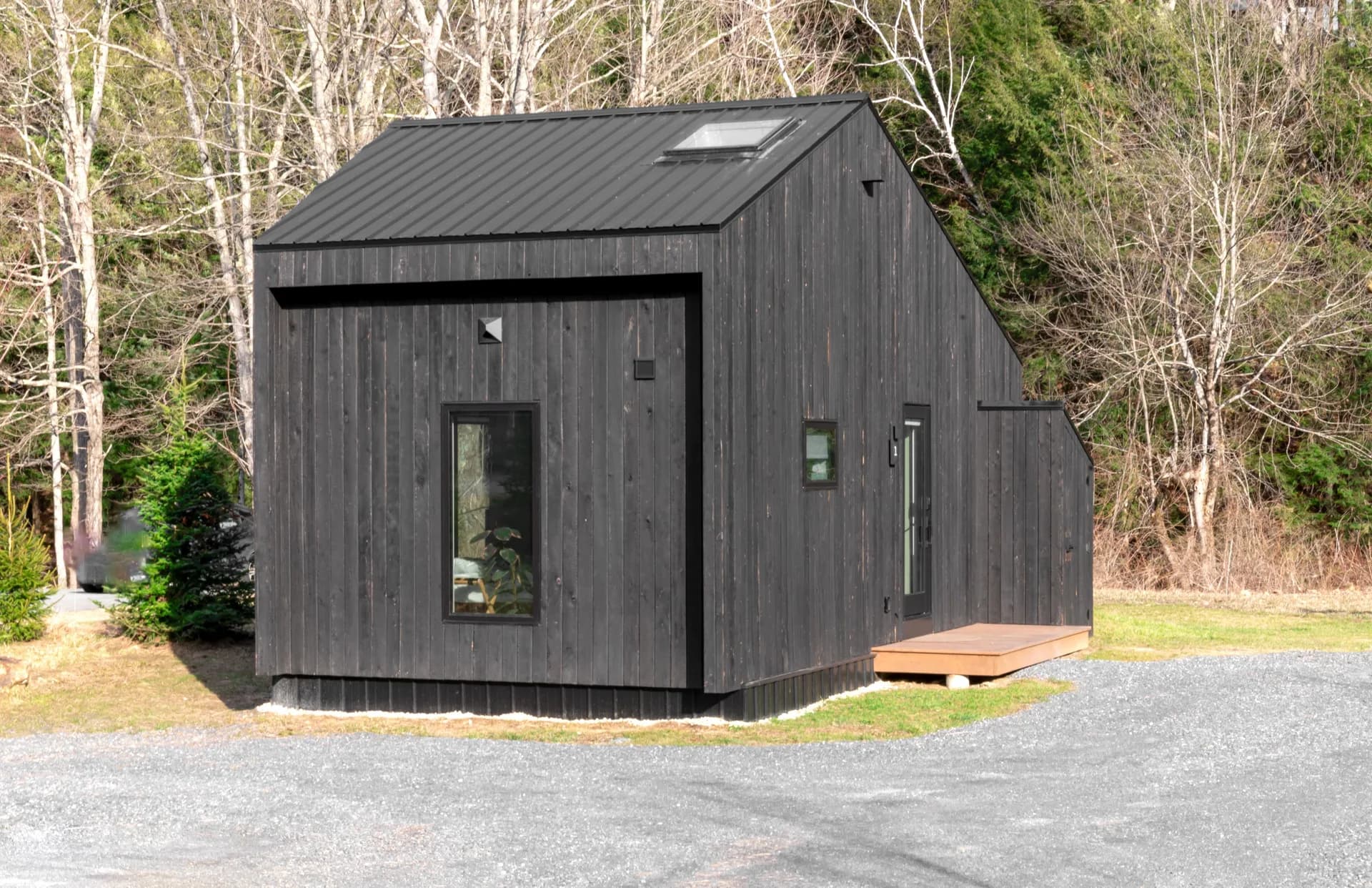
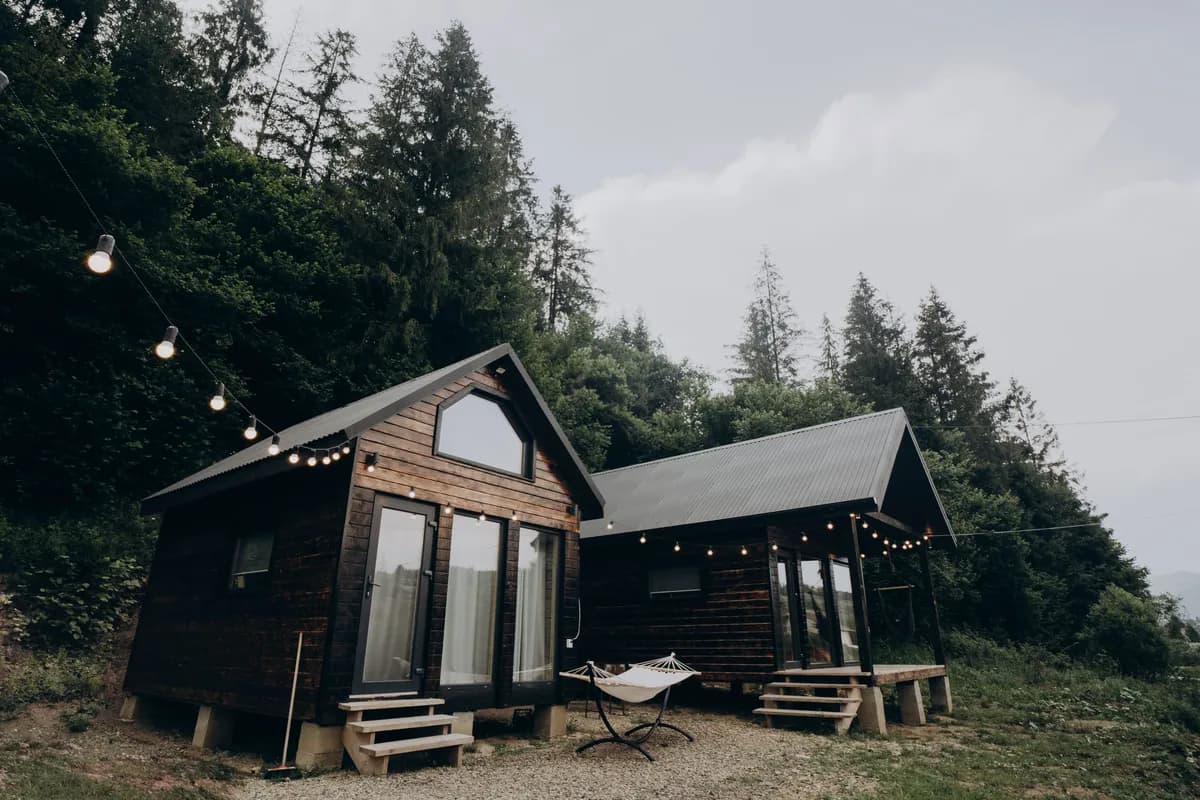
Is the tiny house located in your own backyard, in a small complex, or on a separate lot? Show this setting in your photos. Guests want to know if a path runs right past the window and what outdoor areas are available to them. A wide view in one direction doesn’t automatically mean the house is secluded on all sides.
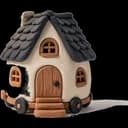
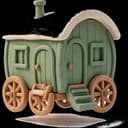
Explain how guests will arrive with their luggage, as well as the distance between the parking spot and the entrance. The patio, seating area, and garden should reflect their actual size and use. If wheels are visible under the house, clearly state whether it will remain stationary at that location during the stay. The fact that the structure is movable does not imply to guests that they can drive it, nor does it replace the need to clarify usage on-site.
Provide a clear sense of scale for small spaces
Take photos of the tiny house in a sequence that follows a tour of the space. After the exterior and entrance, include the living area, kitchen, bathroom, and sleeping area. Show doors and furniture exactly as guests will actually find them. Extreme wide-angle shots can make a small room appear larger, but they don’t help much in determining whether a person can comfortably walk past the bed or the table.
Include specific measurements for certain areas if they are relevant to the property’s use. This might include a low sleeping area or a narrow passageway. Show not only the side with the most beautiful view, but also the functional areas. Guests who deliberately choose to live in small spaces don’t need the illusion of a large house; they need a clear understanding of how your small home is laid out.
Try out the stay before you describe it
A trial stay with the intended number of guests often speaks louder than a long list of amenities. Prepare a simple meal, set up the sleeping areas, and open the cabinets that guests will use. Check which steps require an explanation. A brief instruction in the right place is more helpful than expecting new guests to immediately understand every space-saving solution.
Next, check the requirements for renting out your property at your specific location and keep your description up to date. You can list your Tiny House for free in the host area at BookNoFees. Be sure to highlight the ways you make smart use of the available space. An honest description helps guests understand whether the proximity of the living areas and the limited storage space will suit their stay.
Frequently Asked Questions
Does a Tiny House have to be on wheels?
What matters to your guests is the actual accommodation at the location being offered. Therefore, describe how your house is set up and how it is used. Visible wheels should not imply that it is drivable. Clarify questions about permitted use based on your specific house and property, not solely on its name.
What dimensions are important for a sleeping area?
Particularly helpful details include the bed’s width and length, the usable height, and a description of how to access the bed. Also indicate whether the bed is accessible from both sides. This allows guests to assess for themselves whether ladders, stairs, and sleeping areas close to the ground meet their personal needs.
Is a Tiny House suitable for a longer stay?
This depends on your specific listing. Show storage space, cooking facilities, and a usable seating area inside. If you’re describing a workspace, its furnishings should actually be designed for that purpose. The small size doesn’t rule out longer stays, but it also doesn’t meet the practical requirements for them.
How do I describe a unique restroom or limited water supply?
Explain how to use the property in simple terms and outline relevant restrictions before arrival. A technical term alone isn’t very helpful to many guests. Your description should make it clear which daily routines are different and whether guests need to take any precautions or handle certain tasks themselves.
Where can I list my Tiny House for free?
You can get started with your listing in the general host area at BookNoFees. Prepare up-to-date photos and clear details about the actual amenities. The sleeping arrangements, the bathroom, and access to the outdoor area are particularly important so that guests can get a complete picture of their potential stay.