Describe your cabin with its actual features
Start with the property listing, not with an idea of what a typical cabin should look like. Perhaps your accommodation is built of wood; perhaps it has plastered walls or a modern interior. Describe exactly what guests will find. Terms like “rustic,” “simple,” or “comfortable” only make sense when accompanied by a concrete description of the rooms and amenities.
Explain whether the entire cabin is for exclusive use and which outdoor areas are included. If it is located on a larger property with other accommodations, this should be clearly stated. A private entrance and a private seating area may be available without the property being secluded. Photos should realistically show the relationship to neighboring buildings.
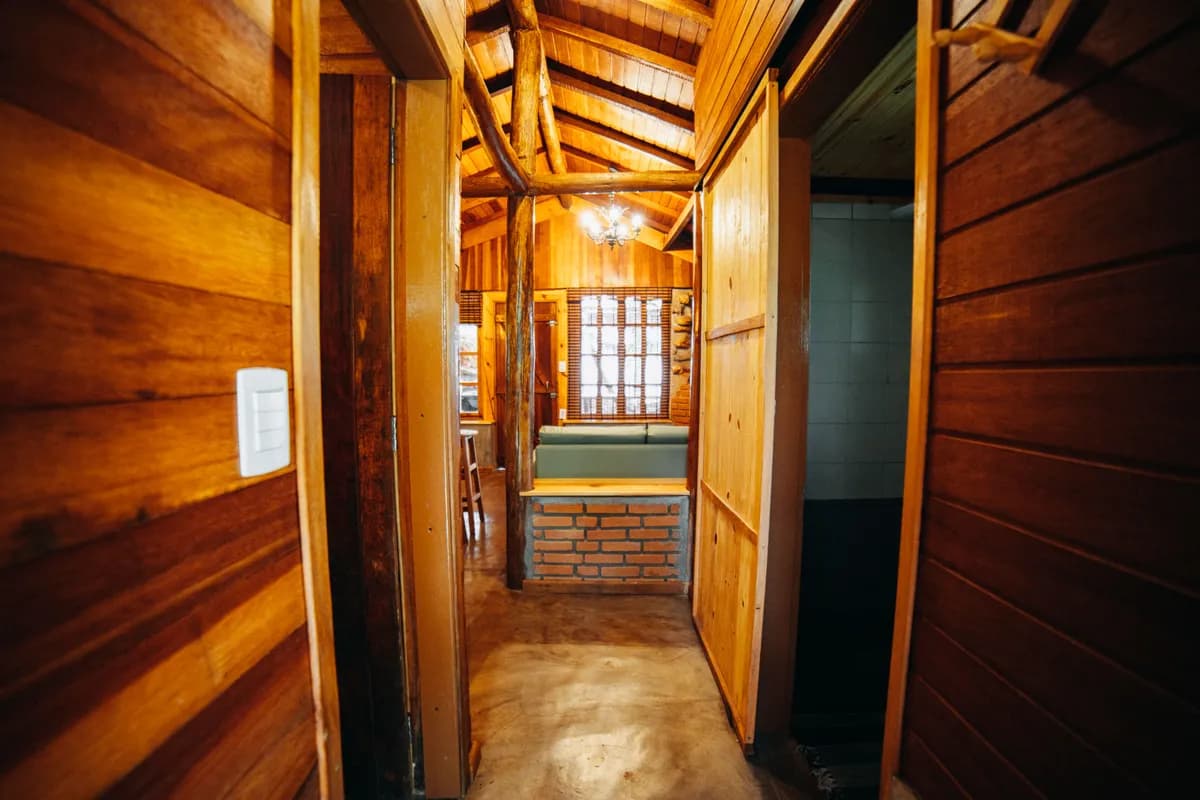
Highlight a few distinctive details: a bench by the window, a covered porch, or a shared living space with exposed roof beams. Such observations convey atmosphere without needing unsubstantiated claims about being close to nature, environmental impact, or complete seclusion. The cabin can stand on its own because you highlight its true unique features.
Explain the route and final leg separately
When it comes to getting there, it’s not just the distance to the nearest town that matters. Also describe how guests will cover the last few meters. Can guests unload their luggage right at the cabin, or will the vehicle have to be parked in a distant lot? A walk with luggage is part of the experience of the stay. Specify its length only as accurately as you actually know it to be.
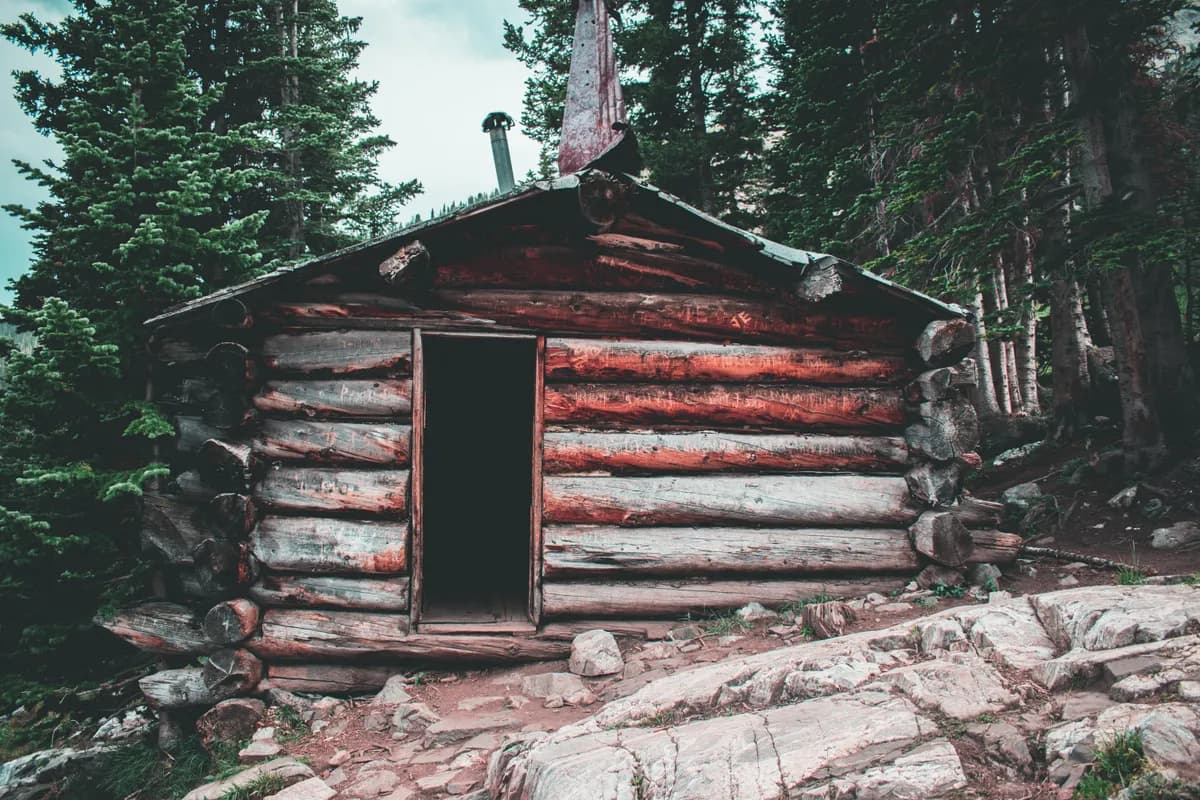
Show the entrance and relevant pathways. A wide staircase leading to the porch, a dirt path, or a threshold at the door can easily be overlooked in an atmospheric exterior photo. A supplementary, factual image provides context. This does not need to lead to blanket statements about suitability for certain people; the visible features speak for themselves.
If arrival conditions vary by season, describe the situation accordingly. A dry summer trail does not automatically guarantee access during a different travel period. Review your information before each season. This ensures the public text remains a useful guide and isn’t just a collection of highlights from your best photo shoot.
Make sleeping arrangements and small spaces easy to understand
Describe whether beds are in a separate room, on an open floor plan, or in the living area. A loft should be clearly identifiable as such. Show how to access it and the available headroom, rather than just photographing a cozy sleeping area. Guests want to be able to visualize how they’ll move around and the paths they’ll take at night.
In a small cabin, the same space is sometimes used in different ways. If a table converts or a seating area becomes a bed, explain the transformation. A photo showing the space during the day and one showing the sleeping area set up can be more helpful than several similar close-ups. It also shows which storage spaces remain accessible overnight.
The number of guests should match the actual number of sleeping arrangements offered. Also describe how many people can sit together at the table or in the living area. A cabin with multiple beds may still have a small common area during the day. Clearly stating these differences helps travelers match their own expectations with your listing.
Thinking through everyday life, even when spending less time outdoors
Many photos of cabins show the exterior. Equally important for a guest’s decision is what a typical day is like inside. Describe the available heating, seating, and lighting. If certain rooms are furnished differently from the main room, you can mention that in the text. Avoid making general promises about comfort that guests might interpret differently.
Describe the kitchen and bathroom separately. Is everything located inside the cabin, or are some facilities in a different building? Are these shared? A sink doesn’t necessarily mean there’s a shower. Similarly, the ability to prepare beverages does not automatically mean there is a kitchen for cooking full meals. Specify the available options in detail.
When providing additional details about amenities, check whether they are actually available during the offered time period. This applies, for example, to internet, outdoor furniture, or additional cooking facilities. If you’ve only used a connection yourself occasionally, making a broad promise regarding its availability is not very helpful. Instead, describe your actual experiences and the specific amenities that are available.
Distinguish between outdoor areas and the surrounding area
A forest, lake, or meadow in the surrounding area is not automatically included with the accommodation. Clearly indicate which areas are available to guests and which images depict an outing or the immediate surroundings. If a public path runs directly past the cabin, this information contributes to an honest description of the location.
Describe the actual furnishings and use of the outdoor space. A covered porch can be used differently than an open terrace. Is there a table or just a bench? Is the seating area reserved exclusively for guests of this cabin? Such small details say more about the stay than the general description of a large natural property.
The landscape does not need to be presented as a guarantee of tranquility. Depending on the location, neighbors, roads, construction, or other visitors may be noticeable. Describe known facts objectively and leave room for varying personal expectations. The same standard applies to image selection: Show the cabin in its spatial context, not exclusively from a single angle that obscures its surroundings.
Prepare your listing for the selected dates
Consider the time periods during which you can offer the cabin with the described amenities. Your personal use, maintenance tasks, and preparation between stays should be factored into this planning. Next, go through the photos: Do they show the same furnishings that your price and description refer to? You can explain seasonal differences in a few clear sentences.
You can list your cabin for free on BookNoFees. You select the type of accommodation during the setup process and add a description, photos, details, calendar, and price before submitting the listing for review. Start with the facts you know for sure. The cabin’s unique character emerges from this information and doesn’t need exaggerated promises.
Frequently Asked Questions
Does my cabin have to be a wooden log cabin?
The visible accommodation type is listed as “Cabin.” Describe the materials, construction, and furnishings exactly as they are in your property. You do not need to specify a particular construction style. What matters most to guests is which rooms, sleeping areas, and amenities they can actually use during their stay.
How do I describe a cabin without a private bathroom?
Clearly state which bathroom facilities are available and where they are located. Explain how to get there and whether they may be shared. A photo of the actual area in use can be helpful. It is crucial that the images do not imply the cabin has its own bathroom if it does not.
Should I use photos from different seasons?
This can be helpful if you offer specific time periods. Organize the photos so that guests can recognize differences and don’t expect every featured amenity to be available at all times. Up-to-date interior shots remain important, even if exterior photos from different months help convey the character of the surroundings.
How much should the description include about the surrounding area?
Start with the immediate surroundings and directions to the cabin. Then you can mention specific nearby locations. Keep this information separate from the details of the listing itself. A public swimming area or a hiking trail is information about the surrounding area and not a facility reserved exclusively for your guests.