

Present the campsite as part of the stay
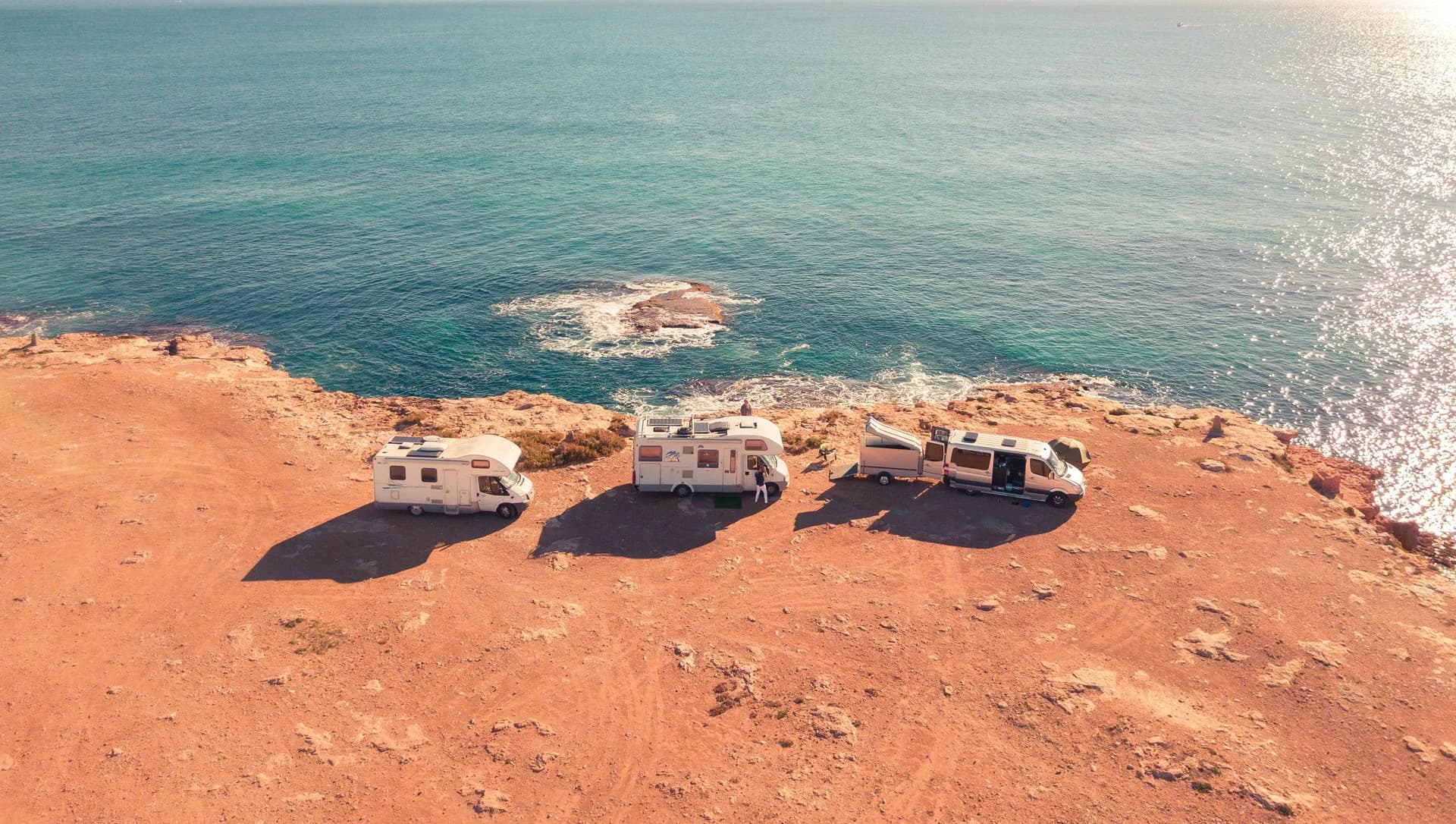
First, explain where the RV will be parked during the stay and that it will remain there. Is the location on private property, among other lodging options, or at a site with shared facilities? Guests should be able to understand the living situation without having to infer a changing location from photos of a previous trip.
An exterior photo should also show the immediate surroundings. Are there other vehicles or accommodations nearby? Is there a path in front of the door? And which area is part of the rental space? A tightly cropped image can obscure these relationships. An additional overview helps to realistically assess distances, paths, and the actual usable outdoor space.
Describe the arrival process for guests traveling with their own luggage. Where do they arrive on the property or campground, and how do they reach the RV? If a private car cannot park right next to it, mention the actual parking options, if you know them. A free space shown in a photo should not be interpreted as a reserved spot.
Show day and sleeping arrangements separately
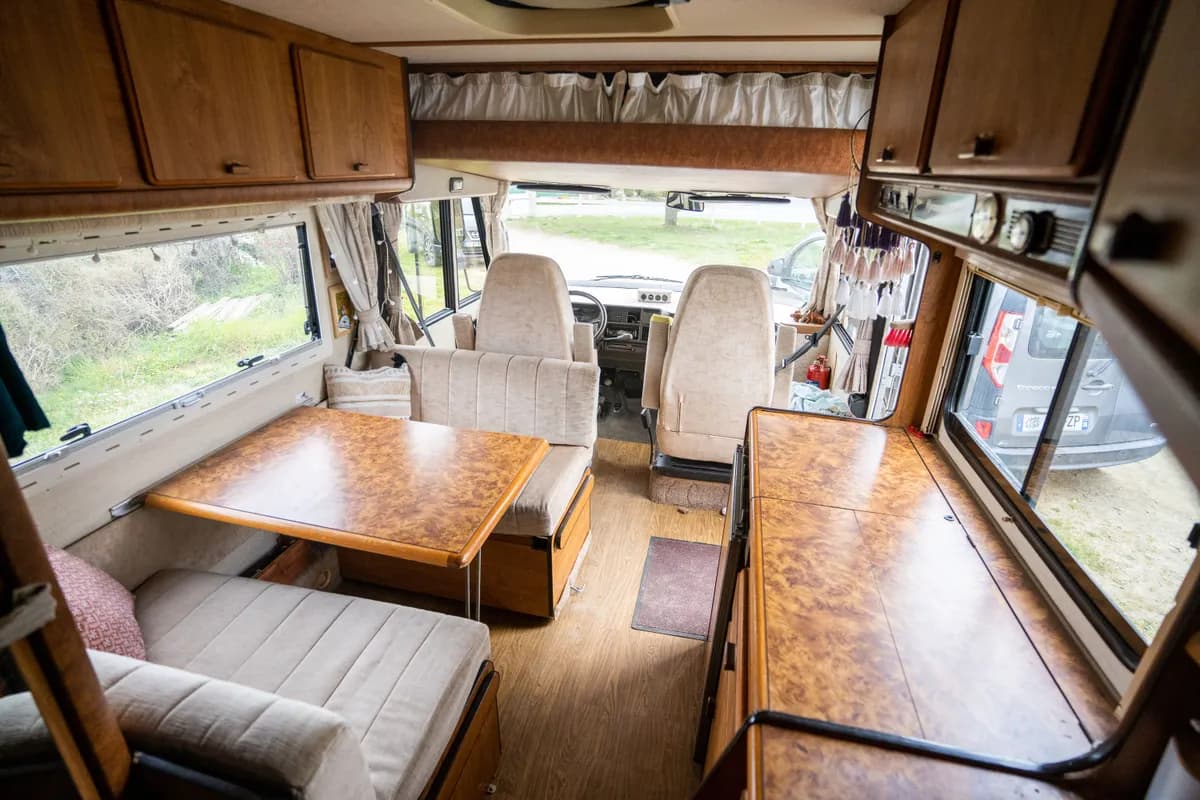
In a camper, a seating area can serve as a dining area during the day and as a bed at night. Therefore, describe both configurations. Which beds are permanently set up, which need to be converted, and can the table still be used at night? Two clear photos often answer these questions better than a single shot of the tidy interior.
Specify the type and accessibility of the sleeping areas. A sleeping area located higher up with a ladder, a bed built across the width of the vehicle, or a sleeping surface with limited headroom are all significantly different from one another. Reliable measurements can be helpful. Also indicate which side the bed is accessed from and whether another person needs to get out of their sleeping area to do so.
The number of seats in a vehicle is not the decisive factor for this stationary listing. The focus is on the actual sleeping spaces provided and the living arrangements on-site. Also describe storage space and walking distances. Guests should be able to visualize how several people with travel bags can make use of the small space without a road trip becoming part of the experience.
Clearly identify bathrooms and on-site facilities
Explain whether the toilet and shower in the RV are available for use or if facilities at the location are provided for this purpose. Describe both separately if their use is organized differently. A built-in bathroom area may be visible in photos, even though it is not available during the stay being offered. This distinction must be clearly stated in the text.
For shared facilities, provide details on how to get there and how they’re actually used. Is the restroom building right next door or a bit further away? Are the spaces shared with other guests? Show only the facilities that are included in this listing. Photos should not give the impression of a private bathroom if it is a shared area.
Describe a small bathroom as it actually is, without making it appear larger through photos. If the shower and toilet share the same compact space, that’s helpful information. Guests don’t need a detailed vehicle manual; they need a clear picture of where they can wash up and get ready during their stay.
Explain the available amenities in everyday language
Specify which kitchen amenities are actually available when the vehicle is stationary. These may include cooking facilities, a refrigerator, a sink, and dishes. The mere presence of built-in fixtures does not guarantee their use. Therefore, do not simply describe the vehicle’s original equipment, but rather the specific amenities you actually provide to guests at the fixed location.
Electricity, water, and heating should also be described from the guest’s perspective. What lighting and outlets are available for use? Can the living area be heated? Are there any special considerations regarding the water supply? Avoid technical terms without explanation and making sweeping promises. A brief, clear description of the actual condition is usually sufficient for guests to prepare.
Check what you’ll provide yourself and what guests need to keep in mind during their stay. On-site instructions can make daily life easier, but they’re no substitute for a clear basic description. The listing should already make it clear whether the amenities are comparable to those of a typical apartment or if there are specific, intentional limitations to the offering.
Don’t treat the outdoor space merely as a backdrop
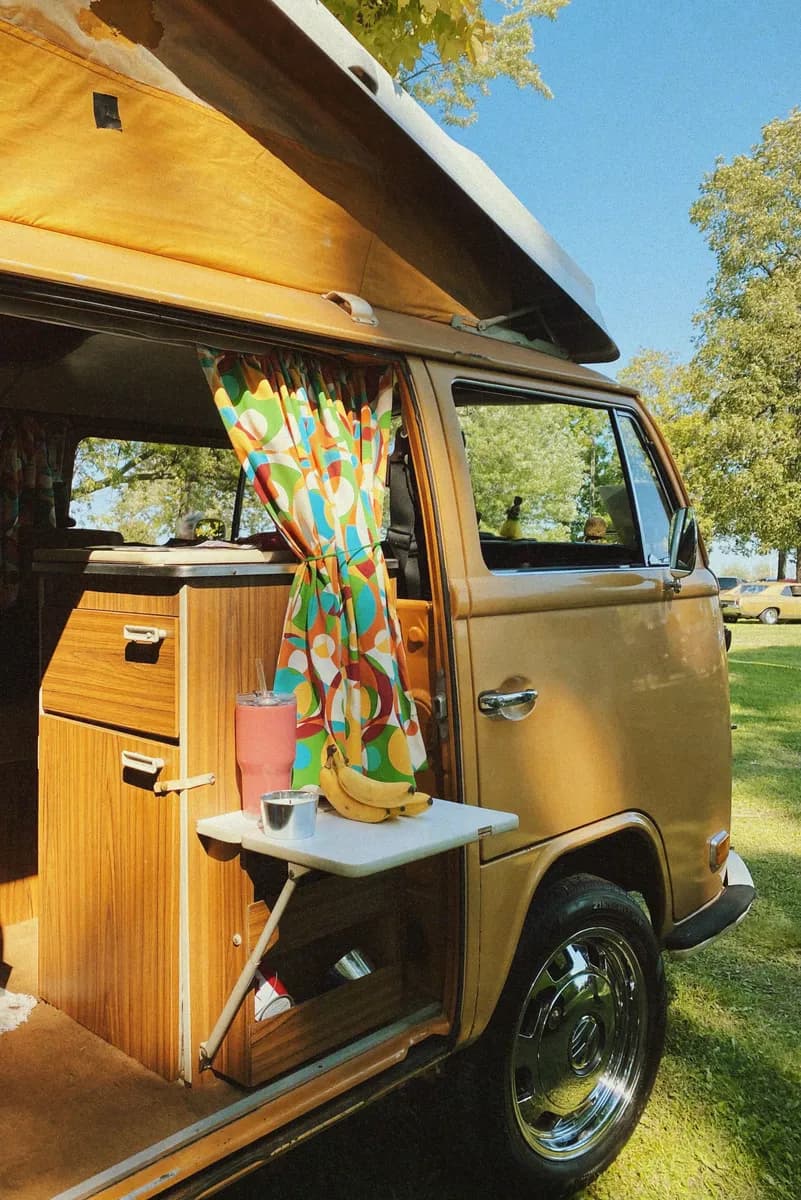
A table in front of the RV can significantly alter the usable living space. Therefore, indicate which pieces of furniture are available and whether the area is exclusively part of this listing. An awning, a porch, or an open seating area are different scenarios. Describe only the amenities that will actually be set up and available for use during the listed period.
If outdoor furniture is available depending on the weather, the text should not suggest a fixed layout. Even indoors, it must remain clear how guests can eat or sit together when they are not using the outdoor space. A series of photos from sunny days does not automatically convey this aspect of the stay. Therefore, be sure to include details about the practical interior space.
Clearly label photos of the surrounding area. A lake, a scenic overlook, or a communal area are not the same as the private space immediately adjacent to the RV. Visible bicycles or other objects should not appear to be part of the included equipment. This page focuses on stationary accommodations; additional rental offers are not implied.
Prepare a coherent description and keep it up to date
Plan your availability based on the motorhome’s fixed location and your own use of it. If you take the motorhome for your own use in between, the offered overnight accommodations must actually be available again for the dates you’ve made available. Before you start, check the sleeping arrangements, utilities, and outdoor space together. This ensures that the photos, description, and price match the specific accommodation.
On BookNoFees, you can list your RV as overnight accommodations for free. You select the accommodation type during the listing process and add a description, photos, details, a calendar, and a price. Then you submit the listing for review. Write your listing entirely with guests in mind who wish to stay on-site, and make sure the stationary nature of the offer is clearly recognizable.
Frequently Asked Questions
Is this an offer for vehicle rental?
No. The site deals exclusively with a motorhome as overnight accommodations at a fixed location. Guests do not drive it away. This distinction should also be clearly stated in the listing and supported by appropriate photos of the actual living situation at the location.
How do I list beds that are only set up in the evening?
Take photos of the same space in both its daytime and sleeping configurations. Describe what is converted and which areas remain accessible afterward. This helps guests better plan their stay and understand, for example, whether the dining area is used as an additional sleeping area at night.
Can the shower be located in a different building?
If this matches the actual listing, clearly describe the location, access, and shared facilities. Separate the information about the shower from that about the toilet. It is important that photos of a built-in bathroom do not imply a use of the RV that is not actually intended during the stay.
What do I need to check in the listing if I change the location?
In addition to the location, access, parking, utilities, and shared facilities may change. Revise the corresponding photos and text accordingly. Even if the interior remains the same, a different location can mean a different experience. Therefore, always describe the situation as it is currently offered.