
The specific room listing appears before the property description
A beautiful hotel facade and an inviting lobby create a first impression. However, the type of accommodation offered is the deciding factor. Describe the specific unit, its sleeping arrangements, and the associated rooms. Guests shouldn’t have to ask whether the pictures show the exact same room to which the price, occupancy, and amenities apply.
If rooms in your property have different layouts, bed types, or views, use sample images carefully. Do not present a particularly large room as if every other room were the same. Describe actual differences as they pertain to the room being offered. Clear categorization helps travelers more than an extensive gallery where multiple listings blend together unnoticed.
Describe the amenities from the perspective of a stay
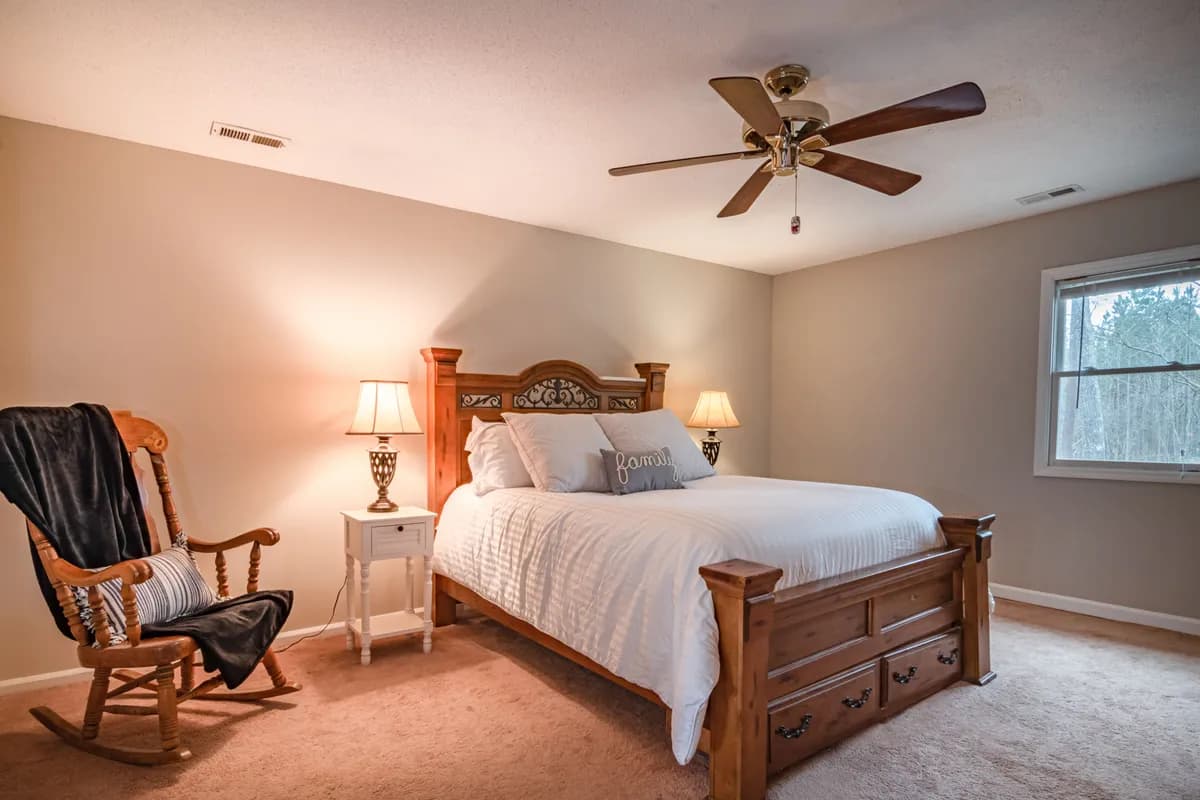
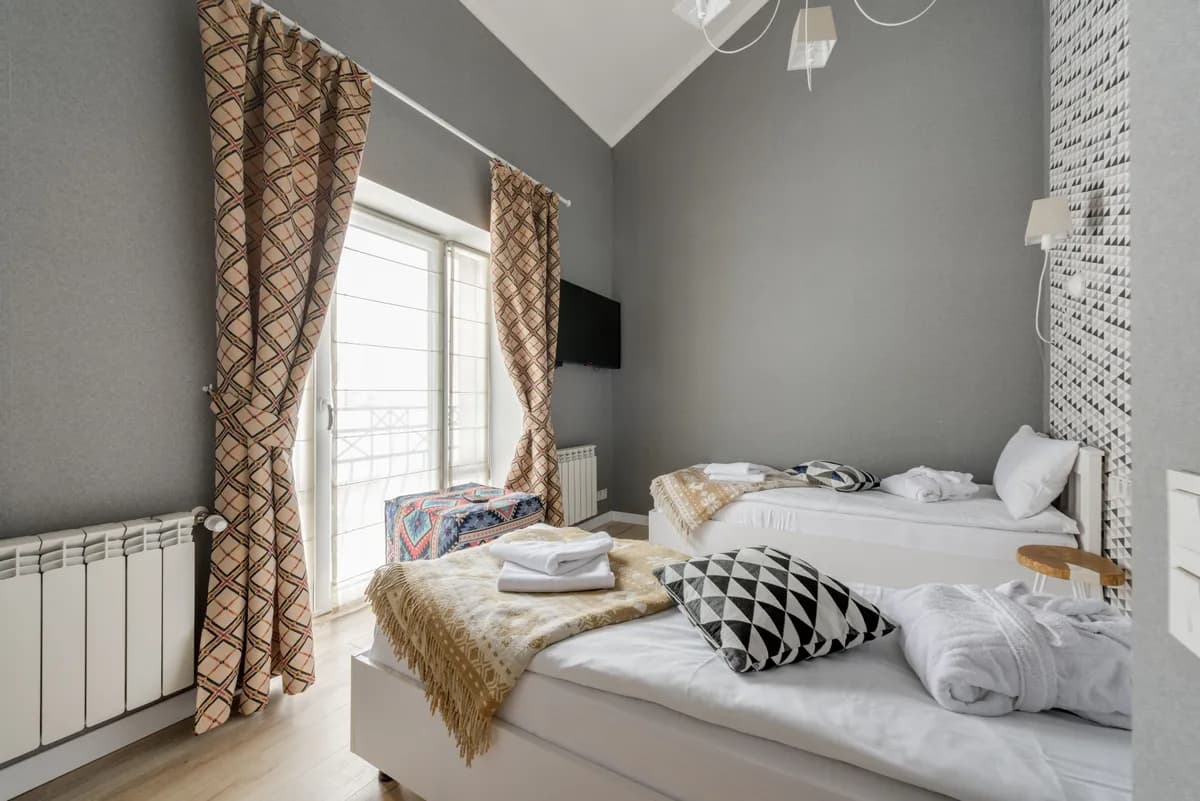
Guests want to know how they’ll sleep, where they can store their belongings, and how they can move around the room. List the available beds, storage space, seating, and the attached bathroom. A photo of a desk can be interesting, but it doesn’t tell you whether the space is actually comfortable to use. Specific descriptions are more helpful than a long list of general terms describing comfort.
Also highlight features that may not stand out at first glance: a window overlooking the courtyard, a connecting door, or a bathroom with a unique layout. If an additional sleeping arrangement significantly alters the space, this should be clearly stated. A listing isn’t any less inviting just because it’s described in detail. It allows guests to compare their own needs with the actual accommodations.
Clearly explain arrival and check-in procedures
Describe how guests arrive at your hotel and what arrangements are in place for their arrival. Having a reception desk does not automatically mean it is staffed around the clock. If arrival times need to be coordinated, state this clearly. A realistic note is more helpful than a blanket promise that arrivals can be accommodated at any time without prior arrangement.
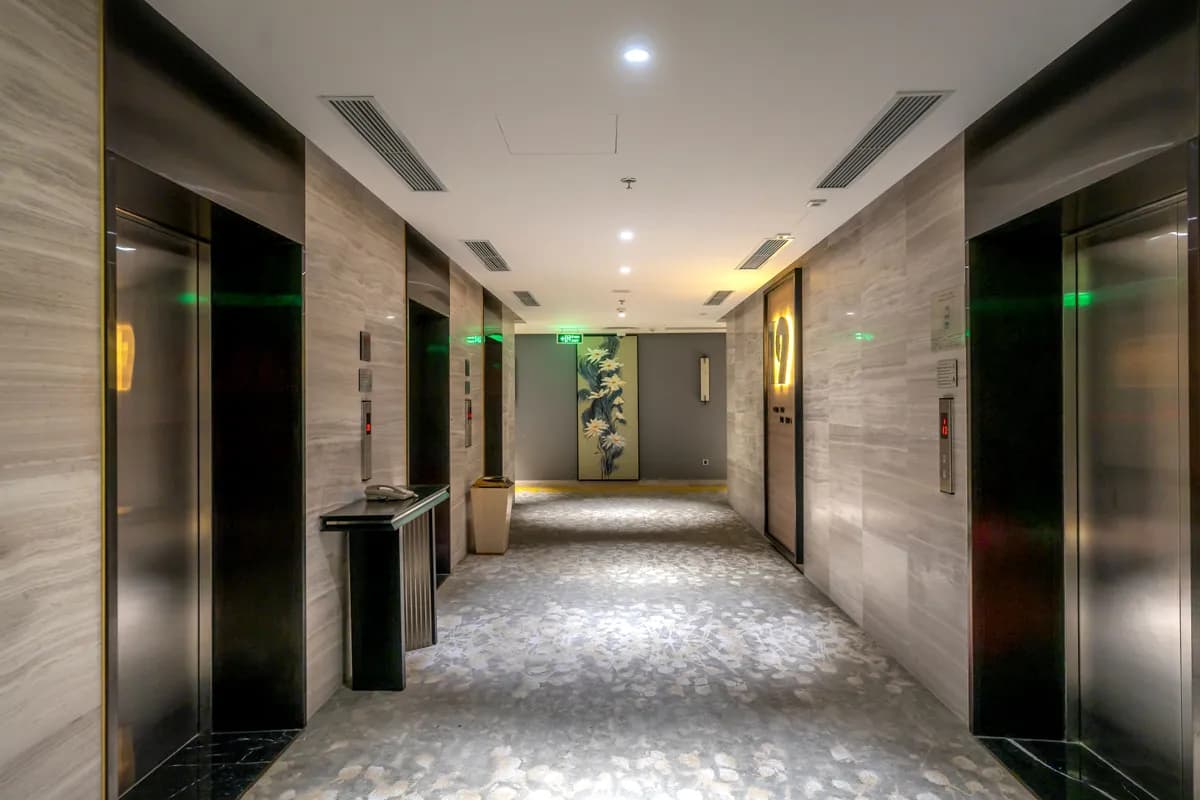
Even the last few meters matter: Where is the entrance? Is there a driveway or a parking lot a short distance away? And how do guests reach the rooms? Be specific about any elevators and stairs. Avoid making a general statement about accessibility if you’re only describing individual features. With precise details, guests can better assess for themselves whether the listing is a good fit for them.
Describe services exactly as they are actually offered
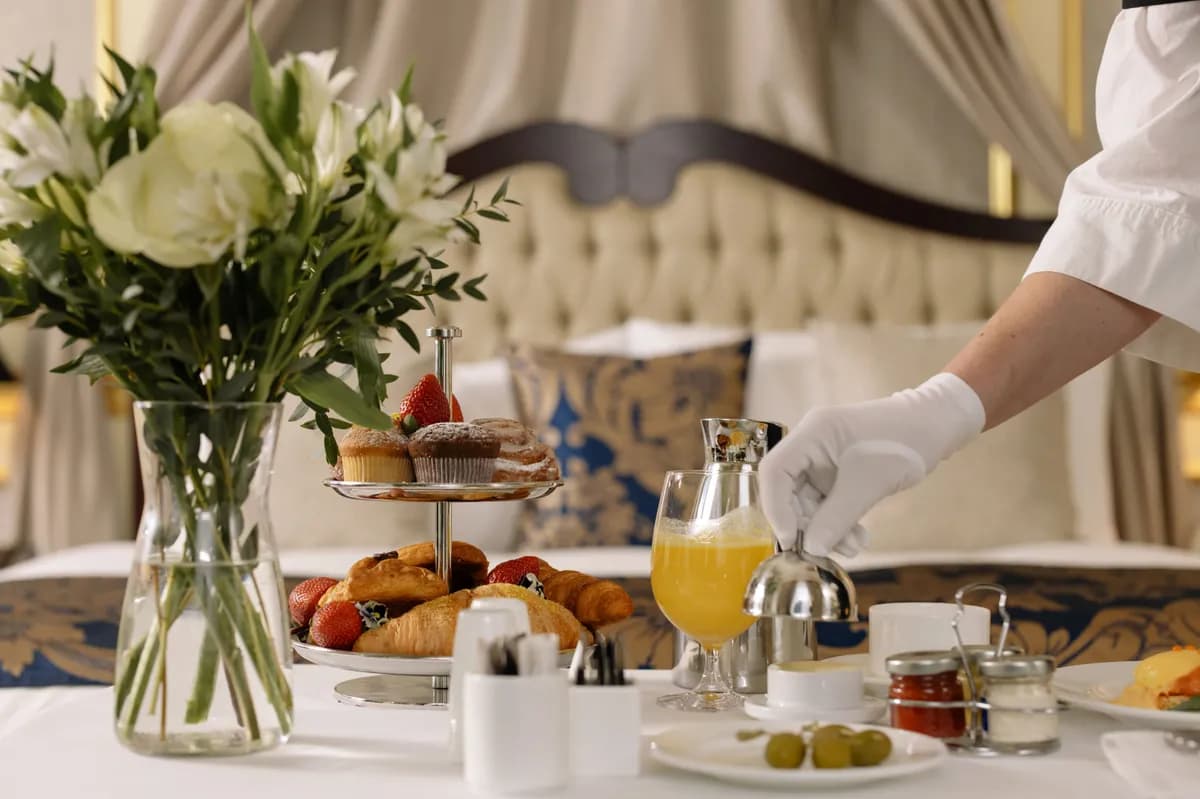
A hotel stay can include a wide variety of services. Explain what’s included in your specific offer: for example, meals provided, access to certain common areas, or room cleaning services. Images of a breakfast buffet or recreational facilities should not give the impression that their use is always included if that is not the case.
Describe relevant times and conditions in clear, understandable language. If a property is only available seasonally or at specific times, this should be included in the description. You don’t need to explain every internal operating procedure. What’s important to guests is what is actually available to them during their stay and which services they shouldn’t assume are included simply because the property is called a “hotel.”
Show what kind of experience your property offers
The location and use of the building can have a greater impact on daily life than decorative details. Is the room located on a busy street, above a restaurant, or in a quiet inner courtyard? Are there common lounges? Such details help travelers manage their expectations. Describe the actual situation instead of presenting every listing as both centrally located and completely secluded at the same time.
You can showcase the personality of your property through relatable details. Perhaps there’s a small reading room, an outdoor breakfast area, or uniquely designed rooms. Feature only existing amenities and stick to their actual use. A personal host’s voice doesn’t need to mention stars, awards, or quality ratings that haven’t been verified for your property.
A series of images with clear captions
Start with the room you’re offering or an exterior view that clearly shows your property. Next, include photos of the beds, bathroom, and other related rooms. Common areas can be added to the gallery once their purpose is clear. If you have multiple buildings or different types of rooms, a careful selection of photos is more helpful than as many photos as possible from every part of the property.
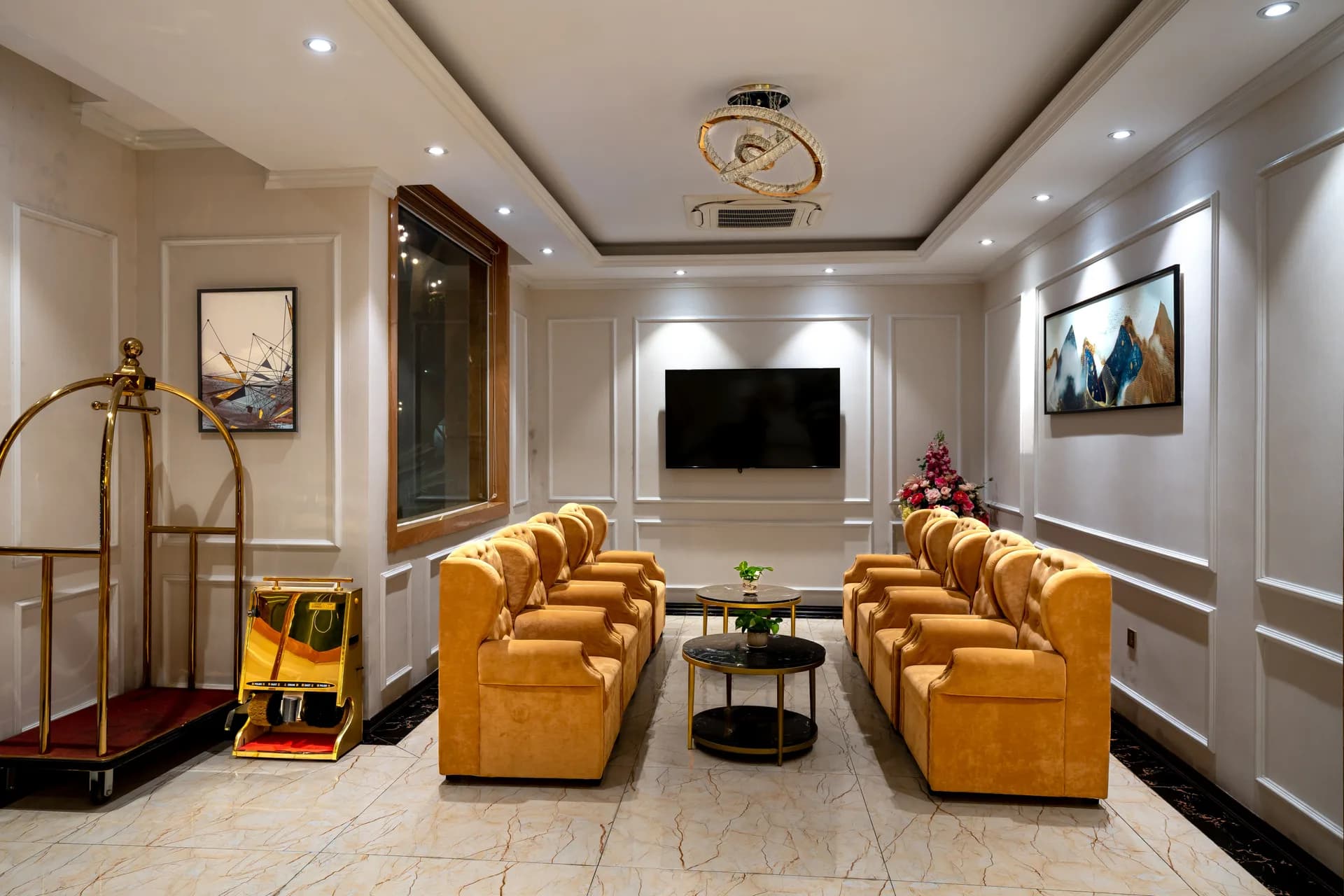
Take photos showing the condition in which guests should find the accommodation. If a photo shows only a special decoration or an additional arrangement, it must not imply an unclear promise of service. Also show the entrance and typical views inside the room. This way, the atmosphere and spatial orientation complement each other without travelers having to guess about dimensions, views, or the layout of individual areas.
Start with a manageable selection
At BookNoFees, you can list your hotel offering for free. The general process involves adding the type of accommodation, description, photos, amenities, price, and availability. Make sure this information is consistent for the specific listing. Simply selecting “Hotel” does not in itself describe a specific operational structure. Therefore, carefully consider what you actually want to offer and how it fits into your existing daily routine.
Before finalizing the listing, it’s worth reviewing it with someone who handles inquiries or check-ins. Would you explain the listing to a guest in the same way? Do the rooms, occupancy, photos, and amenities match? A clear introduction is more valuable than an immediately comprehensive presentation of all the options your property offers. You can start with the information that’s truly relevant to the stay you’re offering.
Frequently Asked Questions
Can I simply describe all the rooms in my hotel together?
The description should match the actual unit being offered. If rooms differ significantly, a shared photo gallery should not create a false impression of size, amenities, or view. First, consider exactly what guests are booking, and tailor the information accordingly. The “Hotel” category does not replace this clear distinction of the individual accommodation listing.
Do I need to provide a 24/7 front desk?
Describe your actual check-in process and the scheduled arrival times. The term “hotel” should not imply a level of accessibility that you do not offer. If prior coordination is necessary, communicate this in a friendly manner and well in advance. Guests can plan their trip better if they know the general framework, rather than assuming they can arrive at any time.
How do I describe breakfast and shared facilities?
Explain whether and under what conditions they are included in the specific listing. Show only available amenities and specify relevant times or seasonal restrictions. A photo can make a service look attractive, but it should not leave any doubt as to whether it is actually included. A short, clear description is more helpful than a list of amenities that has no connection to the stay.
Do I need to make any special promises to list my hotel?
No. Describe your actual offering and use the standard listing process on BookNoFees. You do not need to invent additional services or promise specific results. Clear information about the room, bathroom, arrival, and included services is helpful. Personal details can then add a personal touch to your text without replacing the basic information.