
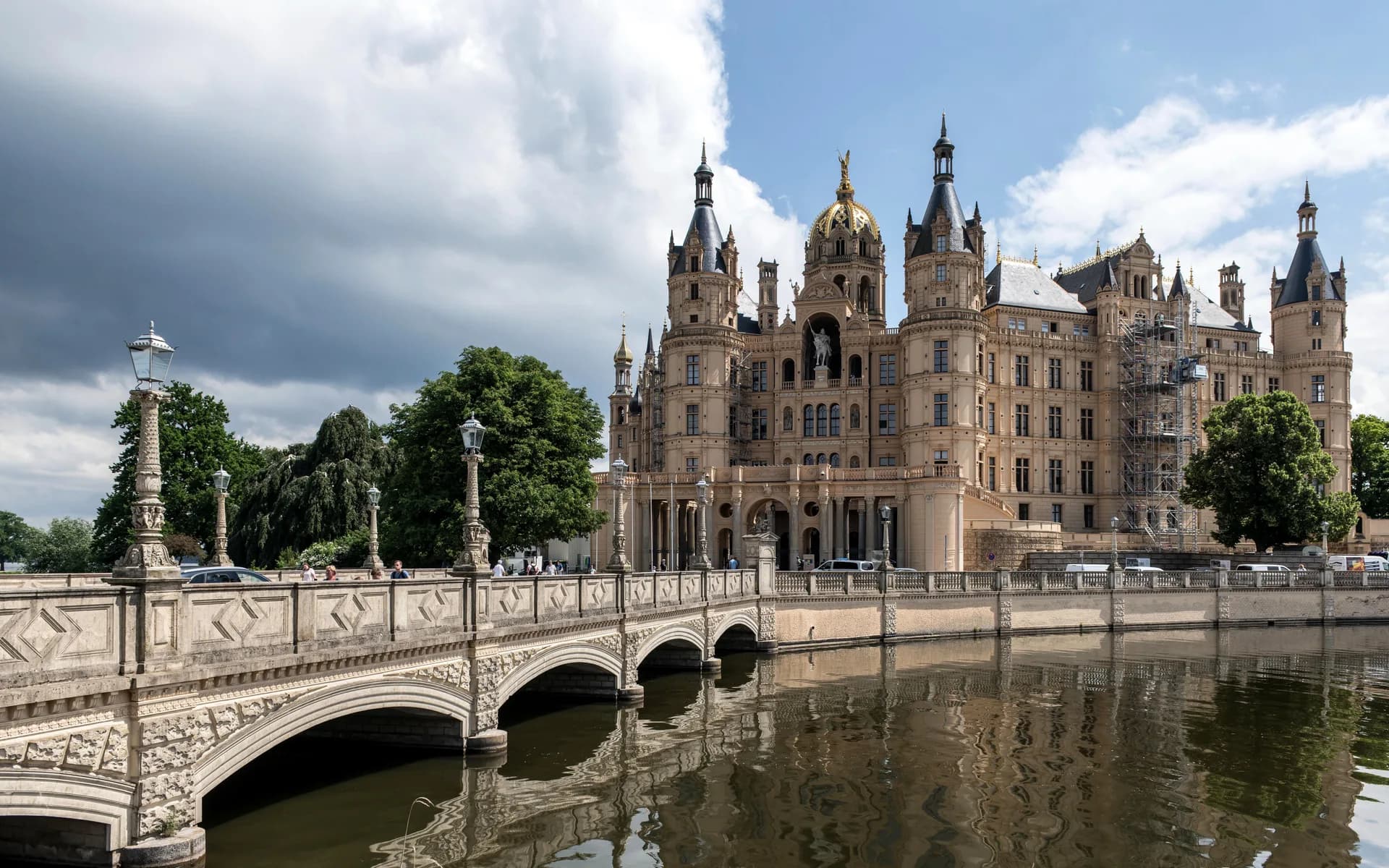

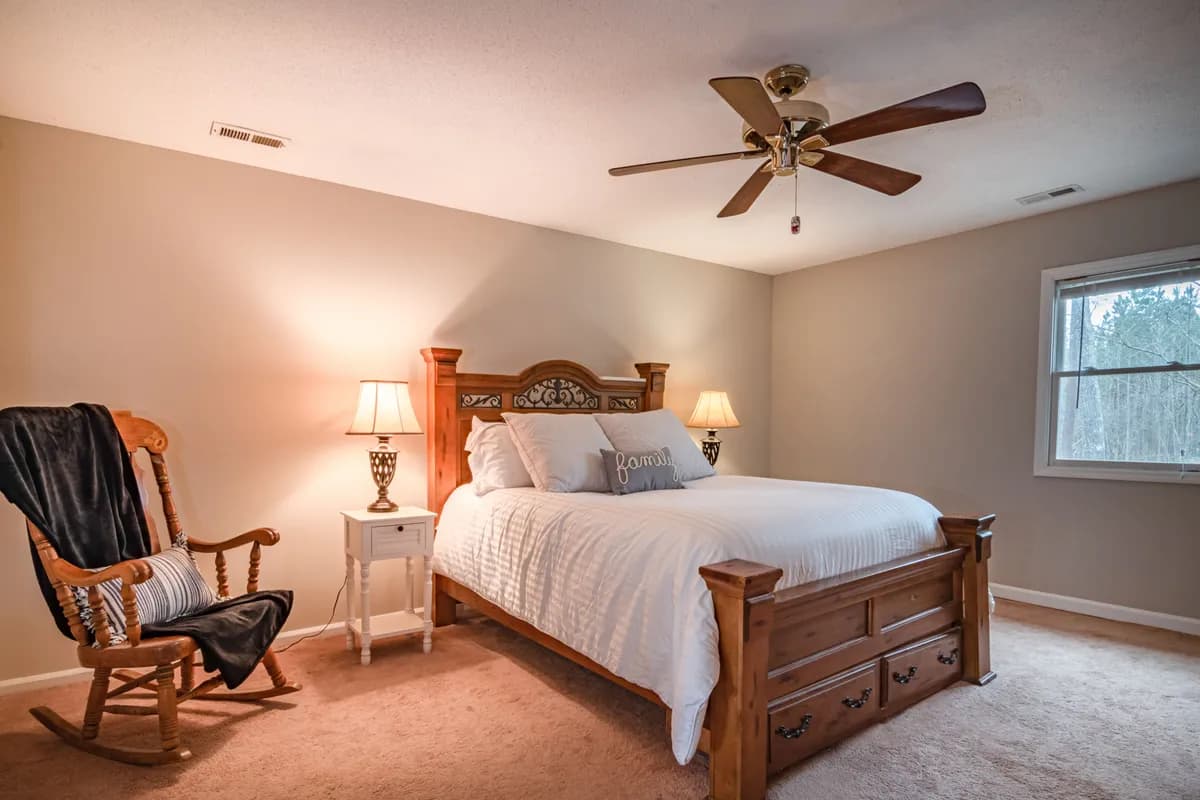


Distinguish between an entire castle and accommodation within a castle
Mention the type of accommodation being offered right in the title or in the first few sentences. A guest room in a castle is a different offering than exclusive use of a wing of the building. A large exterior photo may show both, but it must be clearly labeled. This way, guests don’t have to wait until the end of the description to find out which part is actually included in their stay.
Explain the spatial boundaries of the listing: private entrance, shared hallway, privately used floor, or separate apartment. If you’re only showing certain rooms because they’re part of the building, their use and accessibility must be clear. A locked library or a privately used hall should not appear to be a freely accessible common room.
Describe a larger unit in a way that makes its interior layout clear. Which rooms connect to the bedrooms, where is the kitchen, and how many bathrooms are included? The building type alone does not explain this layout. A factual overview helps guests reconcile the impressive architecture with the practical aspects of a typical stay.
Make long distances, floors, and stairs visible
In a larger building, the path from the entrance to the room can be a little journey in itself. Describe the floor plan and key passageways. Are there long hallways, multiple flights of stairs, or access through an inner courtyard? A photo of the bedroom alone doesn’t explain how guests will get there with their luggage.
Show the stairs and doors that are actually used. A grand main staircase is not a helpful image for showing access if guests arrive via a different part of the building. Specify any elevators or steps that are present without making a blanket statement about accessibility. People can better compare this information to their own needs than they can a general “comfort” label.
Also consider the layout of the property. Is the breakfast room in the same part of the building as the room? Is the terrace accessed via a shared hallway? If individual facilities are physically separate, this should be clearly indicated. A good description doesn’t gloss over these details; rather, it helps guests visualize them before making a decision.
Combine unique spaces with practical information
High ceilings, deep window niches, or unusual room shapes can define the character of the space. Also describe the beds, seating, storage space, and how the space is actually used. A large room is not automatically a well-divided sleeping area for multiple people. Explain the layout and whether individual sleeping areas are separated from one another.
Bathrooms and kitchens should be shown just as clearly as decorative rooms. Is the bathroom directly adjacent to the bedroom or accessible via a hallway? Is there a private kitchen or shared facilities? If one area is more simply furnished than the more representative part of the building, this may be shown. You can describe the different characteristics of the rooms without artificially standardizing them.
When describing heating, lighting, and windows, provide specific details about the unit being offered. Do not infer general comfort features based on the building’s design. Describe what is actually available in the rooms used, and update photos when changes occur. This doesn’t make an impressive setting any less special; rather, it helps guests better assess what to expect.
Classify the park, courtyard, and other uses
A sprawling property may appear in photos to be a completely private outdoor area. Therefore, explain which paths, seating areas, and green spaces guests can use. Are there areas that are open to the public, privately occupied, or used for other purposes at certain times? A clear delineation helps guests plan their stay without assuming that the size of the property implies unrestricted use.
If other regular activities take place in the building or on the grounds, describe the situation as it pertains to guests. This may include visiting hours, other accommodations, or ongoing construction work. Do not promise constant seclusion based solely on a view of the castle. A photo of the courtyard area as it’s actually used often says more about daily life than a distant, wide-angle shot.
This page focuses on overnight accommodations. A large hall, a party photo, or a long table does not automatically constitute an event offering. Show such spaces only in their appropriate role within the stay. If they are not part of the accommodation, this should be made clear, rather than leading guests to imagine a different use through images.
Share the story, as far as you know it
A brief history of the property can enrich the description. Use only information that you can verify. If the year of construction, a previous use, or the origin of a piece of furnishings is unclear, do not present speculation as fact. Visible features can be described vividly and precisely even without historical attribution.
Organize the sequence of images from an overview to the specific accommodation listing. The exterior view should be followed by the actual rooms being offered, before details and the grounds are shown. This keeps the castle as the setting and the accommodation as the focal point. It should always be clear what each room shown is used for.
Check whether the photos convey a level of amenities similar to that described in the text. Otherwise, individual, particularly elaborately designed rooms may give the impression that the rest of the space is simpler. Be transparent about differences. Guests make decisions not only based on decorative details, but also on how the rooms complement each other and which ones will be available during their stay.
Make sure the listing refers to a clearly defined unit
Before you begin, note the rooms, sleeping arrangements, and usable common areas. Plan availability in conjunction with other uses of the building and its preparation. The price and photos should correspond to the same scope. For example, if access to a common room changes, update both the description and the relevant selection of photos at the same time.
You can list your castle accommodation for free on BookNoFees. During the setup process, select the type of accommodation and add a description, photos, details, a calendar, and a price. Then submit your listing for review. A clearly defined listing is a good starting point, regardless of whether it’s a single room or several interconnected rooms.
Frequently Asked Questions
Do I have to offer the entire castle?
No. Describe exactly the area included in the stay, such as a room or a self-contained unit. The exterior view can show the setting but should be supplemented by a clear title and appropriate interior photos. Guests must be able to recognize what the listing actually entails.
Can I showcase representative rooms that remain private?
If you use such images, the distinction must be clear. The rooms offered are more important for planning purposes. A series of images that primarily shows private halls can create false expectations. Therefore, first showcase the bedrooms, bathroom, and usable living areas, and clearly label other views.
How much architectural history should be included?
A brief, accurate description is often sufficient. Use only information you know, and then focus on the current stay. Guests must be able to understand—even without prior historical knowledge—which rooms they will use, how to reach them, and what amenities are available.
Does this type of accommodation also include rentals for parties?
No. This page focuses on overnight stays. The term “castle” or references to large rooms do not imply event services. Keep the description and photos focused on the actual use being offered, so that a beautiful dining table or a hall is not misunderstood as an additional service.


