

Show which rooms give it its special character
Start by describing which areas are part of the accommodation and how they are connected. Is the entire living area located in cave-like rooms, or just a portion of it? Are there additional rooms with a different architectural style? These differences should be clearly evident. A single, particularly striking photo should not be used to represent all the rooms if their characteristics differ significantly from one another.
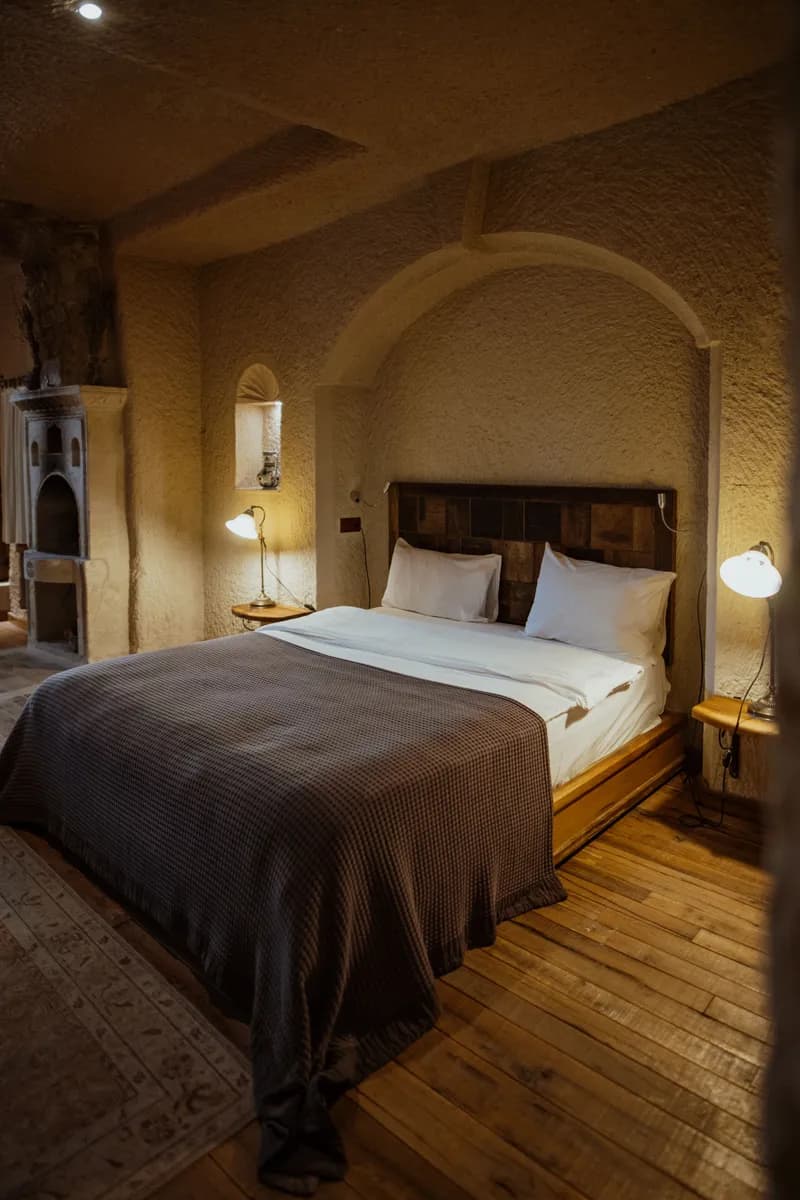
Describe the room’s shape using simple observations: vaulted ceiling, irregular walls, low doorway, or an open connection to the next area. Guests don’t need a technical architectural description. It’s helpful for them to be able to visualize how to use the space and understand where there is room to stand, sit, and move around.
Give each area you’re offering a distinct purpose. Where do guests sleep, where do they eat, and where can they relax? A room can have a unique look while still serving very ordinary functions. If multiple functions share an open space, this should be described just as clearly as if the space were divided into separate rooms.
Explain natural light and lighting room by room
Natural light is a key consideration for unusual spaces. Specify which rooms have their own windows or other openings to the outside, and which receive light from adjacent areas. A bright entryway says nothing about the sleeping area. Guests should be able to understand these differences without having to guess them from a series of heavily brightened images.
Take photos in lighting conditions that accurately reflect what guests can expect during their stay. Additional lighting may, of course, be visible, but it should not be used to simulate windows that are not actually present in the room. A second photo taken from a different angle can help viewers understand the relationship between the entrance, openings, and the lower areas.
Describe available lighting and blackout options as specific features. Avoid blanket statements that the accommodation is always bright, always dark, or suitable for every sleeping preference. Different people want different kinds of spaces. An accurate description allows them to make their own decision and preserves the unique character of the space without exaggerating it.
Clearly show access and open spaces
Show the actual entrance and the path leading to it. Are there steps, a sloped entrance, or a long walk from the arrival point? An exterior photo taken from a distance can help explain the location, but it does not replace a view of the actual entrance. For people traveling with luggage, these details are an important part of their planning.
Low doorways and varying floor heights should be neither hidden nor dramatized. Describe where they are located and which rooms can be accessed above them. A photo taken from a normal angle helps viewers gauge proportions. If you provide measurements, they should be accurately determined. General promises about suitability are less helpful than these specific, verifiable details.
Think about typical routes during the stay: from the bed to the bathroom, from the kitchen to the dining area, and from indoors to outdoors. If there are several doors or steps along the way, a brief description can help with navigation. The unique design of the structure should not result in common everyday questions remaining unanswered in the text.
Describe the comfort of the accommodation based on the available amenities
The word “cave” does not provide reliable information about the temperature or air conditions in your accommodation. Instead, list any available heating, cooling, and ventilation options, if they are included in the listing. Describe any known unique features objectively. Avoid making guaranteed claims that cannot be generally inferred due to changing circumstances or varying personal expectations.
The kitchen and bathroom deserve clear, detailed descriptions. Are they integrated into the same room layout, or are they located in a separate part of the building? What amenities are actually available? An unusually shaped bathroom may look appealing in photos; nevertheless, guests want to be able to tell where the shower, sink, and toilet are located and how the space is used.
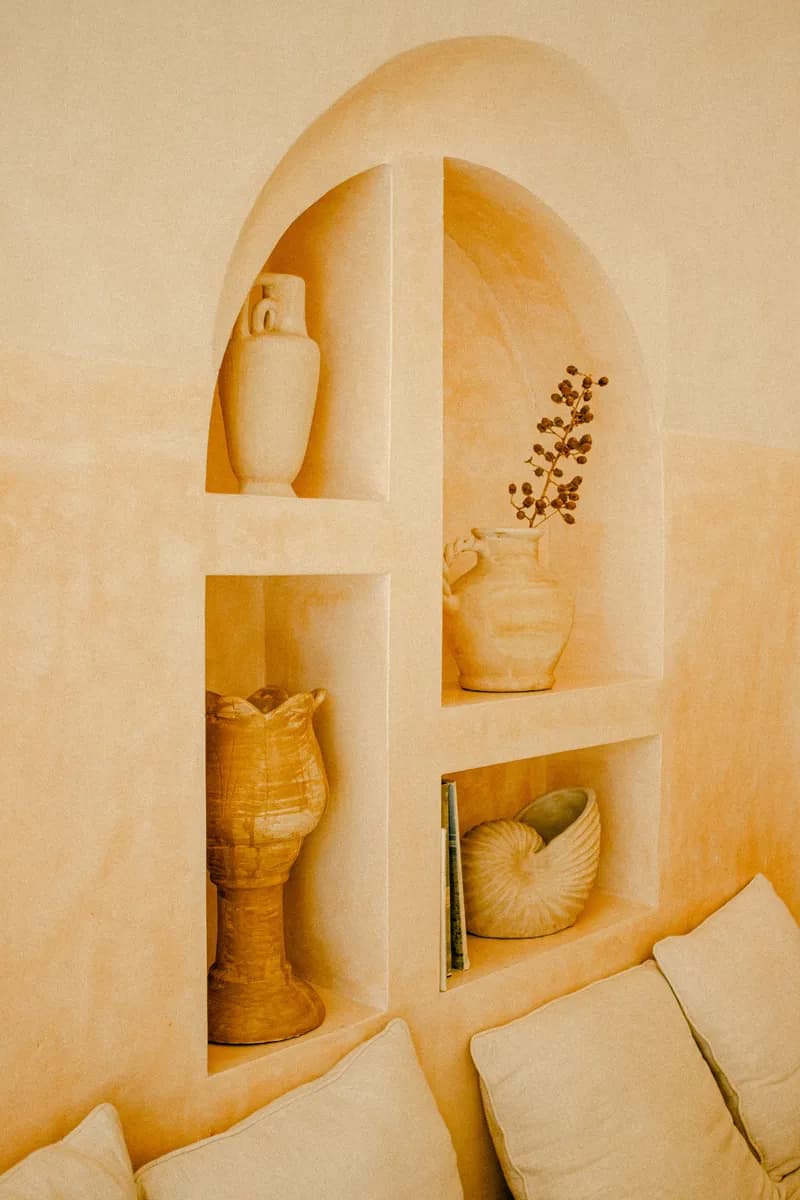
Also show storage areas, cabinets, and seating. In a room with irregular walls, the furniture may be arranged in a unique way. Explain this layout instead of just photographing the empty spaces. This creates a realistic impression of where luggage can be stored and how the number of guests you’re hosting can use the living space in everyday life.
Create a series of images that explains the context
Choose a first photo that accurately shows the accommodation, and then guide the viewer through the rooms. A logical sequence might be the entrance, living area, sleeping area, kitchen, and bathroom. Finally, include photos of the outdoor area and surroundings. Detailed photos of the walls alone convey the structure but do not explain how far apart the individual areas are or how to reach them.
For connected rooms, include a photo taken from the actual doorway. This helps guests understand whether a sleeping area is enclosed or open to the living space. Use decorative lighting in a way that allows shapes to remain recognizable. A sequence of images in which each shot has a different light color can make orientation unnecessarily difficult.
Distinguish the private outdoor area from the surrounding landscape. A terrace in front of the entrance may be part of the listing, whereas a distant viewpoint is part of the surroundings. Explain shared use and visible neighbors, if applicable. The term “cave” does not imply seclusion; therefore, also indicate the spatial relationship to other buildings or paths.
Bringing together unique features and everyday life
Read your description at the end as if you were someone who has never stayed in a similar property before. Can you explain—without pictures—where guests sleep, where the light comes from, and how to get to the bathroom? Then check the opposite: Do the photos convey the same experience as the text? Fill in any missing details with short, factual sentences.
At BookNoFees, you can list your cave accommodation for free. During the setup process, select the type of accommodation and add a description, photos, details, a calendar, and the price. Then submit the listing for review. Plan the available dates to match your actual usage and keep the amenities list up to date. A unique property, above all, needs an accurate description of its specific living arrangements.
Frequently Asked Questions
Should I explicitly mention rooms without their own windows?
Yes. Describe which rooms receive natural light and which are lit only by adjacent areas or artificial lighting. Guests can compare this information with their preferences. Photos reinforce the impression but should not, through excessive brightening, suggest lighting conditions different from those that actually exist.
Can I infer a specific indoor climate from the building’s design?
Focus on describing your specific property and its available amenities. The description alone does not indicate what conditions will be like during a particular stay. General promises regarding temperature or comfort are therefore not very helpful. List verifiable features and, if applicable, known seasonal variations, without making them a guarantee.
How do I describe low doorways?
Mention its location and show it in its surroundings with a photo. If you have reliable measurements, you can include them. It’s important that guests understand which rooms are accessible via the passageway and whether it’s located on a frequently used path.
Does the accommodation have to consist entirely of cave rooms?
Describe the actual layout of the rooms and select the accommodation type that best fits your listing. If part of the property has a different layout, this should be clear from the photos and text. A particularly striking photo does not replace an overview of the areas that make up the entire stay.