

Explain the construction method without making up a story
The official tourism portal Visit Sicily describes the dammuso on Pantelleria as a lava-stone structure with a vaulted roof. This brief description helps guests who are encountering the term for the first time. For your listing, the most important thing is what is visible and usable in your own home. Describe original features just as accurately as any later additions.
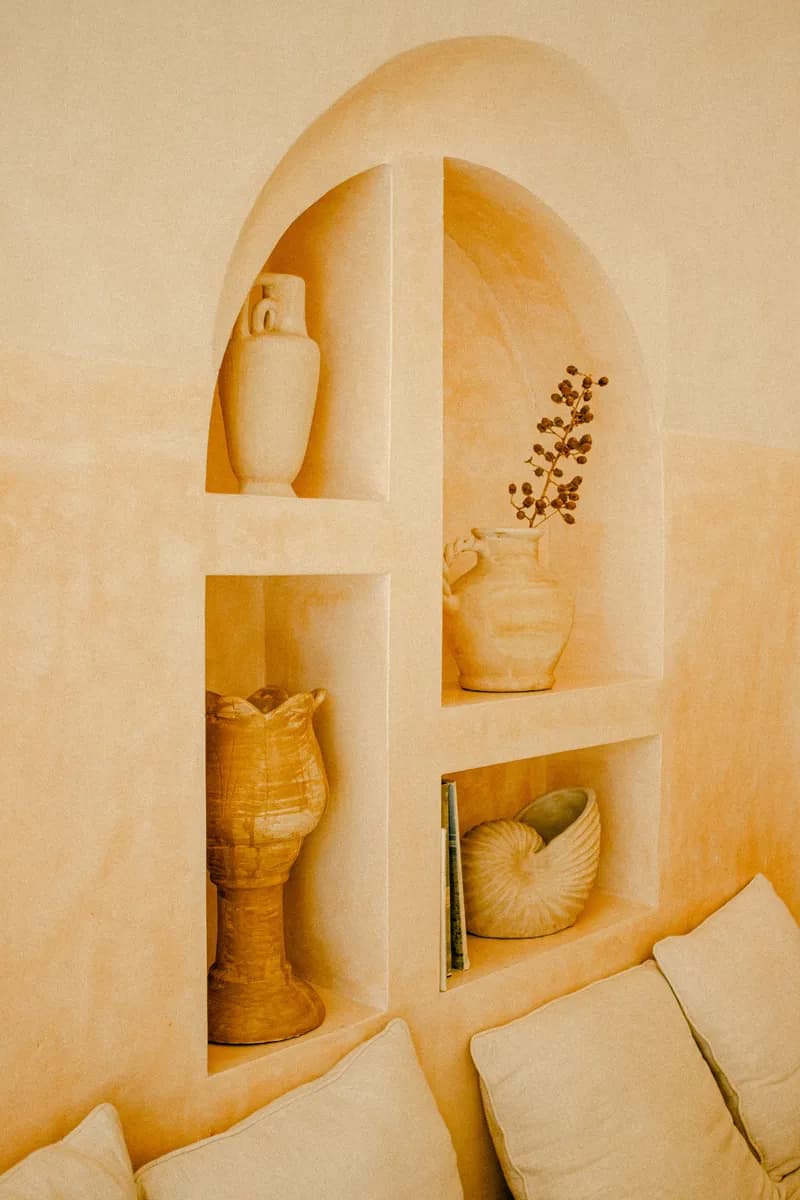
You don’t have to specify an age you don’t know or embellish the history of the property. If your home has been restored or expanded, a factual statement about it can convey more than an unsubstantiated label like “centuries-old.” Instead, describe a specific detail: a niche, a passageway to the terrace, or the spot where your guests can sit together in the morning.
Make it clear early on that there are separate rooms and entrances
Indicate whether your listing consists of a single, connected house or multiple separate units. A bedroom with its own exterior entrance may be convenient for some guests, but for others it may be a significant limitation. Therefore, don’t just describe the number of rooms. Explain how to get from the living area to the sleeping area and the bathroom, and whether an exterior path is used to reach them.
If the property consists of multiple sections, a brief mental tour helps: You enter the living room; the kitchen is behind it; another room is accessible via the terrace. Such sentences are easy to understand without technical terms. If you use any rooms outside the listing yourself, clearly define that boundary. Photos should show the unit that is actually being booked and should not include any additional houses on the property as part of it.
Describe the patio and property as usable spaces
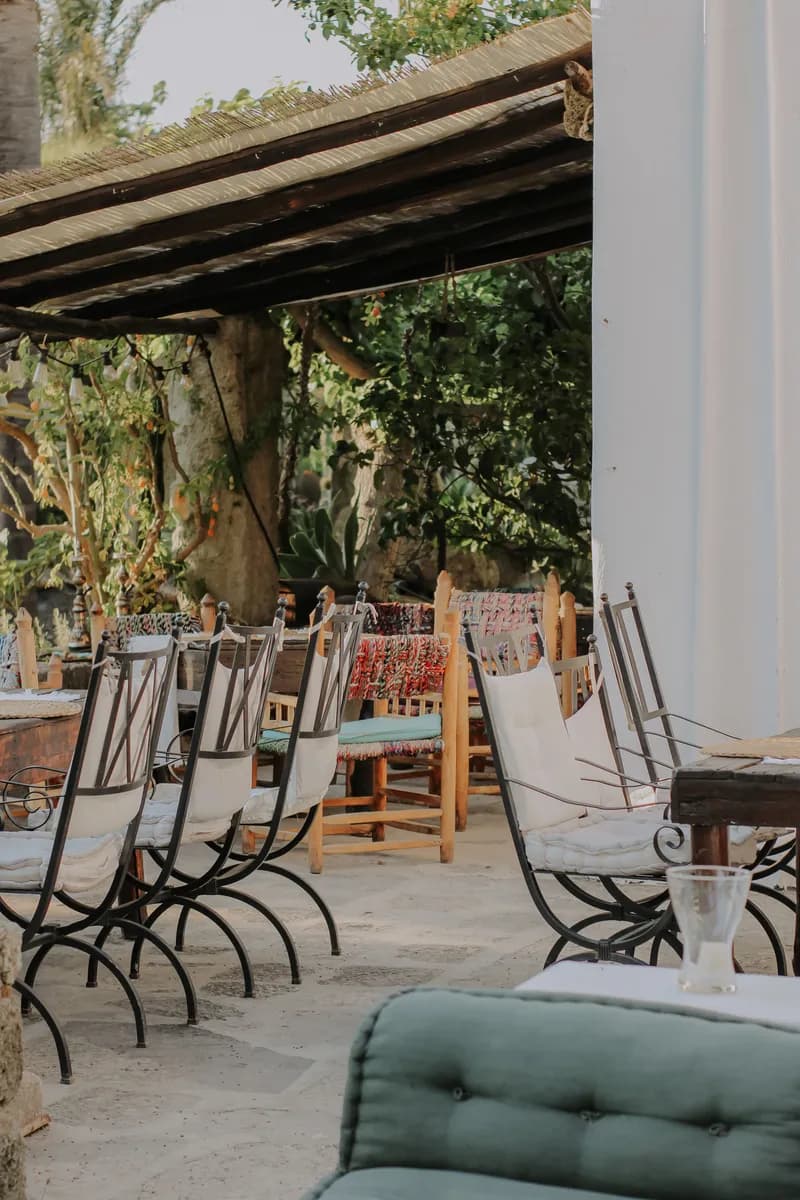
A landscape photo alone doesn’t explain where guests can sit, eat, or store their belongings. Take photos of existing seating areas, paths, and shaded areas in their actual surroundings. Also specify which areas are private to the accommodation and which are shared. A beautiful garden doesn’t have to be fully accessible; what matters is that its use is clearly illustrated.
If certain spots are pleasant at different times of day, you can describe this based on your own experience. Avoid making weather promises. Even a sheltered spot may not be equally usable in every weather condition. Roof areas should only be shown as places to spend time if they are actually intended for that purpose. An architecturally interesting roof is, first and foremost, a structural element and not automatically a terrace.
The final section on how to get there deserves special attention
Guests don’t know the way to your Dammuso yet. Therefore, describe the area around the house and the access route, including details important for a stay. Is the accommodation located directly on a road, does a narrower path lead to it, or is the parking lot a short distance away? A photo of the entrance and a clear description will help guests accurately assess the location.
Do not mention fixed schedules or guaranteed travel times. Reliable information about the location and the final leg of the journey is more valuable for planning. If arrival after dark is possible, consider what guidance will be necessary in that case. A distinctive tree or a signpost can help on-site; personal arrival details should be included in clear instructions for your guests.
Showcase the combination of traditional atmosphere and modern amenities
Guests want to know how they can cook, sleep, and shower in the house. Describe the available heating, cooling, ventilation, blackout options, and kitchen amenities in concrete terms. The construction method alone is no guarantee that it will always be cool, warm, or particularly quiet. A general statement about the actual possibilities highlights the character of the house while also answering practical questions.
Pay attention to small details that you’ve long been familiar with: steps between rooms, low doorways, or a bathroom behind another door. Point out such areas if they’re important for use. Even in a single-story house, access can be more challenging. Specific details about paths and steps help travelers more than a general description of accessibility.
Let the photos tell the story of a stay
Start by showing the house in its surroundings before moving on to individual details. Then you can showcase the living area, bedrooms, kitchen, bathroom, and outdoor spaces. If there are separate entrances, it’s helpful to include an additional photo of the connecting path. This way, guests will not only understand what the Dammuso looks like but also how they would move around inside it during their stay.
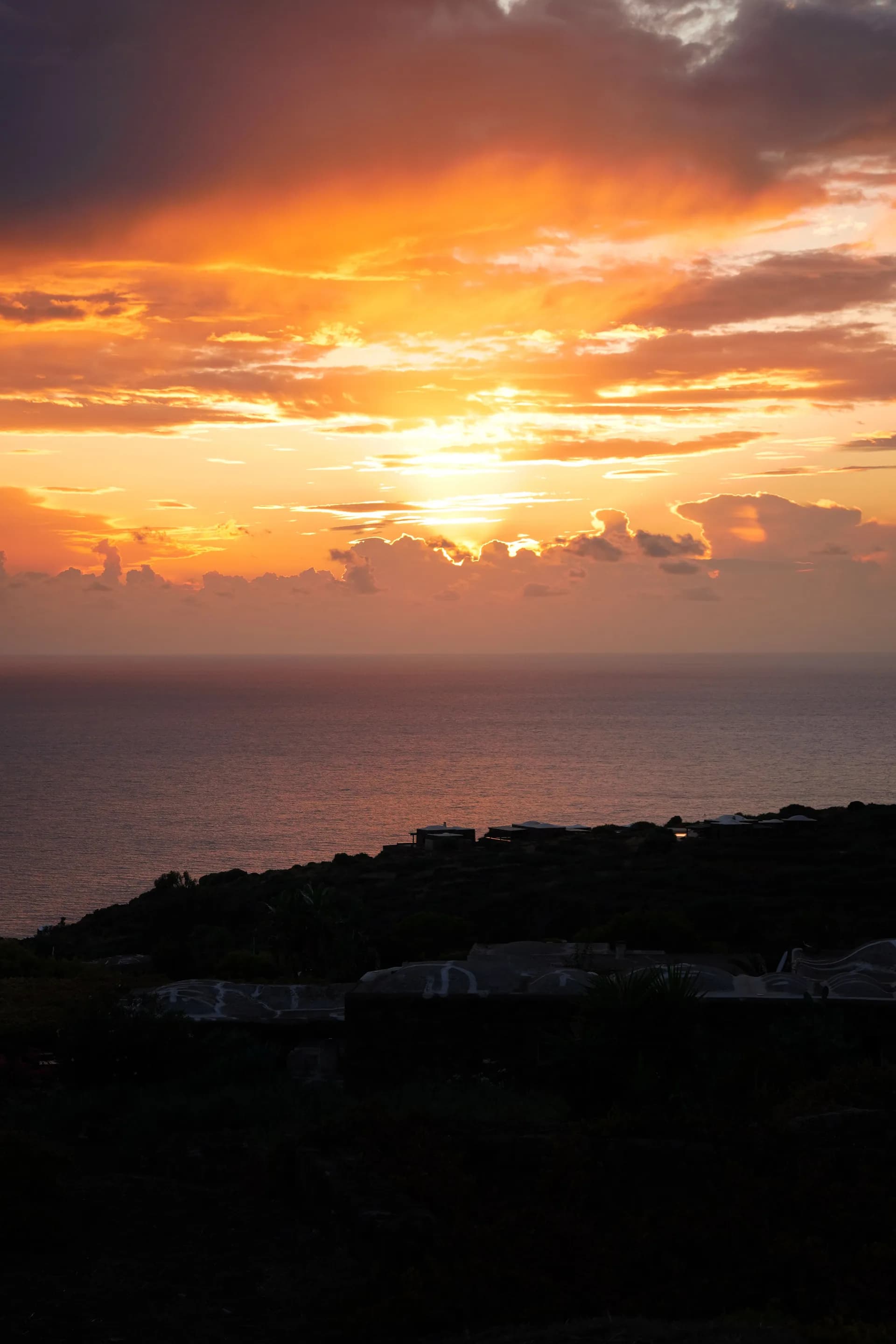
A view should be associated with its actual location. Is it visible from the terrace, a path, or just from an elevated spot? Complement atmospheric shots with clear photos taken in normal daylight. This makes it easier to see windows, doorways, and furnishings. You can showcase the atmosphere of your home without having to make every photo look like a postcard.
Put your own home in the spotlight
When posting a free listing on BookNoFees, follow the standard process for accommodations. Select the appropriate category and complete your listing with a description, photos, amenities, price, and availability. This page provides suggestions for including useful information. It does not require any additional services or specific amenities that your Dammuso must first provide.
Before finalizing your listing, ask yourself a simple question: Could someone unfamiliar with the area explain what they’ll be staying in and how to get there? If the answer isn’t clear yet, be sure to clarify this point. You can still include a personal note about your favorite spot. It comes across especially well when the basic information is already clear and isn’t buried behind grand promises.
Frequently Asked Questions
Should I explain the term “Dammuso” in the listing?
A brief explanation is helpful because not all travelers are familiar with the term. After that, the text should move on to your specific property as quickly as possible. List the actual rooms, access points, and amenities. A general description of the regional architectural style can help guests get their bearings, but it doesn’t tell them anything about the specific amenities available at your property.
How do I describe multiple separate sleeping areas?
For each area, explain how to access and reach the bathroom, kitchen, and common areas. It’s also important to note whether guests need to go outside at night to reach another part of the building. This isn’t a matter of good or bad amenities, but rather a feature of the property that travelers should be aware of before making a decision.
Should I include photos of the surrounding area in my listing?
Yes, as long as it’s clear what the images show. First, introduce the accommodation and its actual usable spaces. Additional images can illustrate the location but should not give the impression of private access or amenities that aren’t part of the listing. Describe the connection to the house in simple, verifiable terms.
Do I need to include additional vacation experiences in my listing?
No. Your Dammuso can stand alone as a place to stay. You may add personal recommendations, but you should distinguish them from the included services. Do not promise guided tours, meals, or transportation if they are not actually part of your offer. A well-described home does not need made-up extras to convey its own atmosphere.