
First, explain what guests will actually be staying in
A single converted container, two connected modules, or a complex with several small units: Even this difference changes the perception of the stay. Describe the specific accommodation you’re offering and its layout. Are the kitchen, shower, and sleeping area in the same structure, or does a path lead to another building? Anyone seeing your listing for the first time should be able to answer this question without any confusion.
The “shipping container” category here refers to a converted space for overnight stays. Therefore, highlight the living space and how it’s used, not just the striking steel exterior. A friendly description can explain what was important to you during the renovation—such as a bright dining area or storage space under the bed. Terms like “luxurious” or “spacious” are less helpful than a clear impression of the actual spaces.
A small footprint requires clear navigation
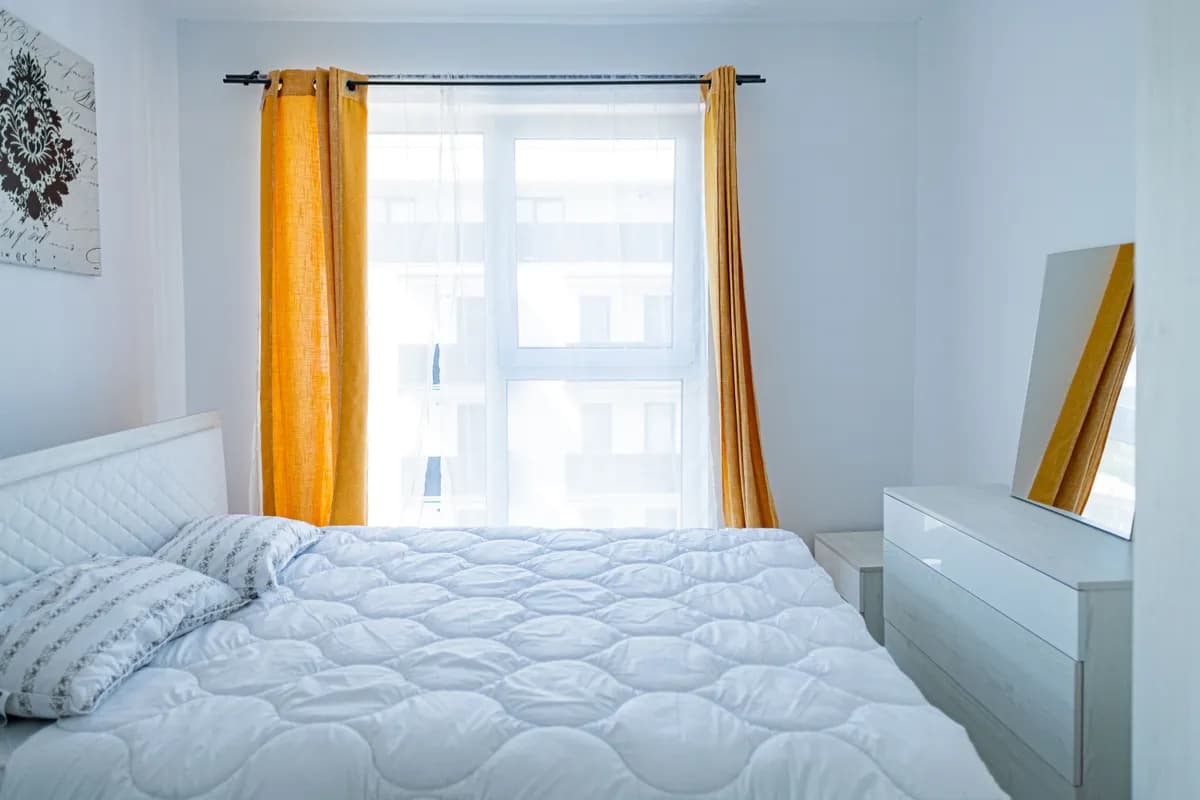
Take photos of each area in a way that clearly shows the transitions between spaces. A view from the entrance to the sleeping area conveys more than many close-ups of beautiful objects. Also show the spot where guests can set down their bags and hang up their jackets. For narrow hallways, a standard perspective works better than an extreme wide-angle shot, which can give the impression of completely different spatial proportions later on.
A pull-out bed can free up space during the day but might take up the entire living area in the evening. Explain these changes in daily life. Is there a fixed dining table or a fold-out counter? Can someone use the kitchen while another person is sleeping? These small details help couples, families, or solo travelers determine whether your accommodation fits their plans.
Describe warmth, atmosphere, and sounds in concrete terms
Guests cannot tell from an exterior photo how your container house can be used on a hot afternoon or a cool morning. Mention any heating, air conditioning, ventilation options, and sun protection that are actually part of the accommodation. If you only rent it out for part of the year, specify that season. Don’t promise year-round comfort based solely on the building’s construction.
Noises are also part of an honest picture. Rain on a metal roof, a nearby street, or an adjacent workshop area can shape the guest experience. You don’t need to turn this into a warning: A short, factual sentence about the location is often sufficient. You can also specify whether windows face the garden, a shared driveway, or other accommodations.
The area in front of the door is part of the description
A small patio can be an important part of the stay. Indicate whether it belongs exclusively to your container or is shared with other guests. Are there places to sit, shade, and lighting for the walk back? Also describe where the property ends and which areas remain private. This information is especially helpful on a large property.
If the accommodation is on a hill, stairs and the entrance should be visible in at least one photo. Describe the routes in rainy weather and the distance from the parking lot to the entrance if that’s a factor for luggage. A level interior doesn’t necessarily mean the entire property is accessible. Instead of general statements about accessibility, travelers will find concrete details about steps and pathways more helpful.
Make daily use hassle-free
In your amenities list, specify what is available for cooking and washing. A kitchenette with a refrigerator and cooking facilities is different from a countertop with a kettle. It’s equally important to specify whether the bathroom is located inside the accommodation and is for private use only. If utilities require specific steps to operate, include these in a brief, easy-to-understand guide for the stay.
Walk through your accommodation once with a packed travel bag. Where do you dry towels, where do you store shoes, and where can you charge a phone? This often helps you identify the information missing from the listing. You don’t need to publicly explain every little detail. The description should show what amenities guests can expect; personal arrival instructions can later supplement the practical details.
A series of photos that clearly illustrates your renovation
Start with a photo showing the container and its surroundings together. Follow that with the living area, sleeping area, kitchen, and bathroom. Include a view of the entrance and an outdoor area that guests can actually use. This creates a brief virtual tour. The beautiful details of your renovation can be highlighted at the end, once guests have understood the layout of the accommodation.
Take photos that accurately reflect the condition you intend to offer. Temporarily placed furniture, facilities that aren’t yet ready for use, or areas not included in the listing should not be shown as part of the amenities. If using reflective windows, make sure that personal documents or people in the background aren’t accidentally visible. Above all, good photos need to clearly convey what is included in the booked accommodation.
Get started with your specific listing
You can create your listing for free at BookNoFees. In the standard process, you describe your accommodation, select the appropriate category, and add photos, amenities, availability, and price. Start with the details you can answer with certainty. The tips on this page are suggestions for a helpful description and not an additional list of required fields.
Then read your draft from the perspective of someone who has never stayed in a container house. Is it clear how many people can sleep there, where the bathroom is, and what outdoor facilities are available? A simple, warm text is sufficient. You don’t need to turn your accommodation into a spectacular adventure if its special value lies precisely in its quiet, well-thought-out everyday life.
Frequently Asked Questions
Does “shipping container” also refer to a storage container?
This page is about shipping containers offered as overnight accommodations. A storage space or a container for storage is a different type of listing. In your listing, describe the actual livable spaces and the amenities provided for the stay. The exterior appearance alone does not tell guests what they are booking.
Should I just show the small size in the photos?
Photos and text complement each other. Be upfront about whether the living space is compact, if a bed folds out, or if there’s limited space for large suitcases. This might be exactly what guests are looking for during a short stay. A clear description allows guests to make decisions based on their own needs, rather than having to guess dimensions from pictures.
Can I describe my container house as sustainable?
Do not base such statements solely on the fact that a container has been repurposed. If you want to describe specific features, mention only what you can substantiate, such as preserved structural elements or existing amenities. A factual description of your renovation is more credible than a general assessment of the property’s overall atmosphere.
Do I need to have a finished ad text before posting a listing?
No. Start with a clear description of your spaces and good photos showing their current condition. Then think about what questions might come up during a first visit. On BookNoFees, follow the standard process for creating a listing. There, you can select “Shipping Containers” yourself to match your actual listing.